
News/Blogs
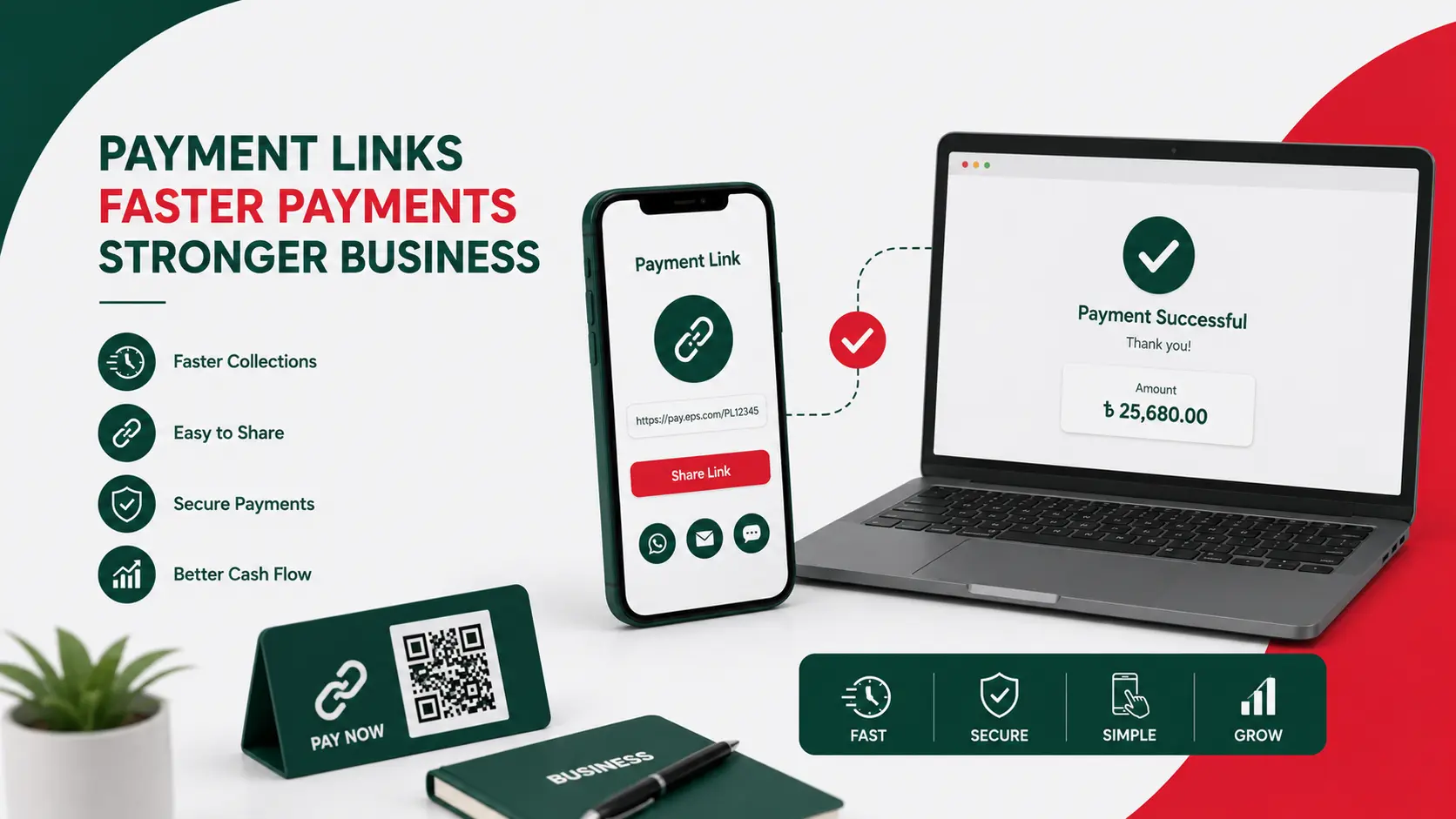
How Payment Links Help Businesses Collect Payments Faster
Collecting payments quickly is one of the biggest challenges for many businesses. A sale is not truly complete until the payment reaches the business account. Delayed collections affect cash flow, increase follow-up work, and create unnecessary pressure on finance teams. Many customers are willing to pay, yet lengthy payment procedures often slow the process.
Businesses working with a trusted payment gateway company in Bangladesh understand that making payments easier often leads to faster co...
...
See More →
<p>Collecting payments quickly is one of the biggest challenges for many businesses. A sale is not truly complete until the payment reaches the business account. Delayed collections affect cash flow, increase follow-up work, and create unnecessary pressure on finance teams. Many customers are willing to pay, yet lengthy payment procedures often slow the process.</p>
<p>Businesses working with a trusted<a href="https://eps.com.bd/about-us"> <strong>payment gateway company in Bangladesh</strong></a> understand that making payments easier often leads to faster collections. A payment link removes unnecessary steps by allowing customers to pay directly from their preferred device without requiring complex checkout procedures.</p>
<p>As digital commerce continues to grow, companies are looking for payment solutions that reduce manual work while giving customers a smooth payment experience. Businesses using a reliable <strong>business payment platform</strong> such as <strong>EPS Bangladesh</strong> can shorten collection cycles and spend less time chasing unpaid invoices.</p>
<p> </p>
<h2><strong>What Is a Payment Link?</strong></h2>
<p>A payment link is a secure URL that directs customers to a payment page where they can complete a transaction within minutes. Instead of asking customers to manually transfer money or enter bank details, businesses simply generate a payment link and send it through:</p>
<ul>
<li>SMS</li>
<li>Email</li>
<li>WhatsApp</li>
<li>Messenger</li>
<li>Facebook</li>
<li>Customer Portal</li>
</ul>
<p>The customer clicks the link, selects a preferred payment option, completes the transaction, and receives confirmation immediately.</p>
<p>This approach removes unnecessary barriers that often delay payments.</p>
<p> </p>
<h2><strong>Why Traditional Payment Collection Takes Longer</strong></h2>
<p>Many organizations still depend on manual payment requests. Customers receive invoices through email or messaging applications, then have to log into internet banking or visit a mobile banking application separately.</p>
<p>This process often leads to problems including:</p>
<ul>
<li>Forgotten invoices</li>
<li>Incorrect account numbers</li>
<li>Wrong payment references</li>
<li>Delayed confirmations</li>
<li>Additional customer support requests</li>
</ul>
<p>Finance teams then spend hours verifying transactions manually.</p>
<p>According to several digital commerce reports published across Asia, businesses using digital payment requests reduce average payment waiting time by nearly <strong>35%</strong>, while customer payment completion rates improve by around <strong>28%</strong> during the first week after invoice delivery. Although results vary by industry, these figures show how reducing payment steps influences customer behavior.</p>
<p> </p>
<h2><strong>Faster Payments Mean Better Cash Flow</strong></h2>
<p>Cash flow is one of the strongest indicators of business stability.</p>
<p>When customer payments arrive late, companies often face difficulties paying suppliers, employees, logistics partners, and operating expenses.</p>
<p>Payment links help shorten this cycle because customers can complete transactions immediately after receiving the request.</p>
<p>Instead of waiting several days, businesses begin receiving payments throughout the day.</p>
<p>This allows finance teams to:</p>
<ul>
<li>Monitor incoming revenue</li>
<li>Plan supplier payments</li>
<li>Maintain healthier working capital</li>
<li>Reduce outstanding invoices</li>
<li>Improve financial forecasting</li>
</ul>
<p> </p>
<h2><strong>Customers Appreciate Convenience</strong></h2>
<p>Customer expectations have changed.</p>
<p>People no longer want lengthy payment procedures that require multiple applications or several verification steps.</p>
<p>A payment link offers convenience because customers can pay from:</p>
<ul>
<li>Mobile banking apps</li>
<li>Credit cards</li>
<li>Debit cards</li>
<li>Internet banking</li>
<li>Digital wallets</li>
</ul>
<p>Businesses offering multiple <strong>online payment methods in Bangladesh</strong> often experience higher payment completion rates simply because customers can choose the method they already use every day.</p>
<p> </p>
<h2><strong>Less Manual Follow-Up</strong></h2>
<p>Following up on unpaid invoices consumes valuable staff time.</p>
<p>Employees often spend hours:</p>
<ul>
<li>Calling customers</li>
<li>Sending reminder emails</li>
<li>Preparing payment reports</li>
<li>Matching bank deposits</li>
<li>Confirming transfers manually</li>
</ul>
<p>Payment links reduce much of this work.</p>
<p>Most payment platforms automatically notify both the customer and the merchant after successful payment, allowing accounting teams to focus on financial management instead of repetitive follow-up tasks.</p>
<p><br />
<br />
</p>
<h2><strong>Better Experience for Sales Teams</strong></h2>
<p>Sales representatives frequently need to collect advance payments, booking fees, deposits, or installment payments.</p>
<p>Instead of asking customers to visit a bank branch or request account details, the representative can generate a payment link during the conversation.</p>
<p>The customer completes payment immediately while discussing the purchase.</p>
<p>This reduces delays between agreement and payment confirmation.</p>
<p>Businesses using an <strong>online payment gateway in Bangladesh</strong> frequently integrate payment links directly into their sales process to reduce abandoned purchases.</p>
<p> </p>
<h2><strong>Useful Across Multiple Industries</strong></h2>
<p>Payment links are suitable for businesses of almost every size.</p>
<p>Common industries include:</p>
<h3><strong>Educational Institutions</strong></h3>
<p>Schools collect tuition fees and admission payments without requiring parents to visit campus.</p>
<h3><strong>Hospitals</strong></h3>
<p>Medical centers collect consultation fees before appointments.</p>
<h3><strong>Retail Stores</strong></h3>
<p>Retail businesses send payment requests for reserved products.</p>
<h3><strong>Restaurants</strong></h3>
<p>Restaurants collect advance booking fees for events.</p>
<h3><strong>Law Firms</strong></h3>
<p>Legal professionals receive consultation payments before meetings.</p>
<h3><strong>Consulting Companies</strong></h3>
<p>Consultants collect project deposits before beginning work.</p>
<h3><strong>Freelancers</strong></h3>
<p>Independent professionals invoice international clients using digital payment requests.</p>
<p> </p>
<h2><strong>Lower Risk of Payment Errors</strong></h2>
<p>Manual bank transfers increase the chance of mistakes.</p>
<p>Customers sometimes:</p>
<ul>
<li>Enter the wrong account number</li>
<li>Type incorrect amounts</li>
<li>Forget reference numbers</li>
<li>Upload incorrect payment receipts</li>
</ul>
<p>Payment links automatically populate payment information, reducing these common issues.</p>
<p>Businesses working with a reliable <strong>payment gateway service provider in Bangladesh</strong> also receive transaction records instantly, making reconciliation much easier.</p>
<p> </p>
<h2><strong>Better Customer Trust</strong></h2>
<p>Customers feel more comfortable paying through recognized payment pages than sending money using manually shared banking information.</p>
<p>Modern payment pages include:</p>
<ul>
<li>SSL encryption</li>
<li>Secure authentication</li>
<li>Fraud monitoring</li>
<li>Transaction verification</li>
<li>Payment confirmation</li>
</ul>
<p>These security measures give customers greater confidence during online purchases.</p>
<p><br />
</p>
<h2><strong>Support for International Customers</strong></h2>
<p>Many Bangladeshi businesses now serve overseas buyers.</p>
<p>Export companies, software firms, agencies, consultants, and freelancers regularly receive payments from international customers.</p>
<p>Choosing an <strong>international payment gateway in Bangladesh</strong> allows businesses to receive payments from overseas markets while maintaining secure transaction processing and proper reporting.</p>
<p>This becomes increasingly valuable as more companies expand beyond domestic markets.</p>
<p> </p>
<h2><strong>Payment Links Help Small Businesses Compete</strong></h2>
<p>Smaller businesses often believe digital payment tools are only suitable for large organizations.</p>
<p>The reality is different.</p>
<p>Payment links require minimal setup and allow even small merchants to offer professional payment experiences.</p>
<p>Local retailers, Facebook sellers, coaching centers, freelancers, and service providers benefit from an <strong>easy payment system in Bangladesh</strong> without investing in expensive eCommerce infrastructure.</p>
<p>This makes digital collections accessible to businesses with limited technical resources.</p>
<p> </p>
<h2><strong>Better Reporting and Financial Visibility</strong></h2>
<p>Every completed payment generates valuable transaction data.</p>
<p>Business owners can review:</p>
<ul>
<li>Daily collections</li>
<li>Monthly revenue</li>
<li>Pending invoices</li>
<li>Customer payment history</li>
<li>Settlement reports</li>
</ul>
<p>Accurate reporting supports stronger financial decisions while reducing accounting errors.</p>
<p>Many businesses also integrate payment data into ERP or accounting software for centralized reporting.</p>
<p> </p>
<h2><strong>Choosing the Right Payment Partner</strong></h2>
<p>Not every payment platform offers the same features.</p>
<p>Before selecting a provider, businesses should evaluate:</p>
<ul>
<li>Security standards</li>
<li>Settlement speed</li>
<li>Payment methods</li>
<li>API availability</li>
<li>Merchant dashboard</li>
<li>Customer support</li>
<li>Reporting capabilities</li>
<li>Integration options</li>
</ul>
<p>Many companies searching for the <strong>best payment gateway Bangladesh</strong> focus on transaction reliability, settlement transparency, and responsive technical support rather than price alone.</p>
<p> </p>
<h2><strong>How EPS Bangladesh Supports Faster Payment Collection</strong></h2>
<p><a href="https://eps.com.bd/">EPS Bangladesh</a> helps businesses collect payments through secure payment links designed for both online and offline transactions.</p>
<p>Merchants can generate payment links within seconds and share them across multiple communication channels. Customers receive a straightforward payment experience without unnecessary steps, while businesses monitor every transaction through a centralized dashboard.</p>
<p>EPS also supports payment gateway integration, mobile banking, internet banking, cards, QR payments, reporting tools, merchant dashboards, and settlement management from one platform.</p>
<p><br />
</p>
<h2><strong>Final Thoughts</strong></h2>
<p>Delayed payments create unnecessary pressure on every business. Manual collection methods increase administrative work, extend collection cycles, and often frustrate customers who simply want a quick way to pay.</p>
<p>Payment links remove many of these obstacles by giving customers a secure payment page they can access from almost any device. The process is straightforward, payment confirmation arrives instantly, and finance teams spend less time following up on unpaid invoices.</p>
<p>For organizations planning to modernize their payment process, adopting payment links is one of the simplest improvements that can produce noticeable improvements in customer convenience, collection speed, and financial visibility. With the right payment partner, businesses can create a payment experience that supports both day-to-day operations and long-term growth.</p>
<p> </p>
See less
Posted on July 16, 2026
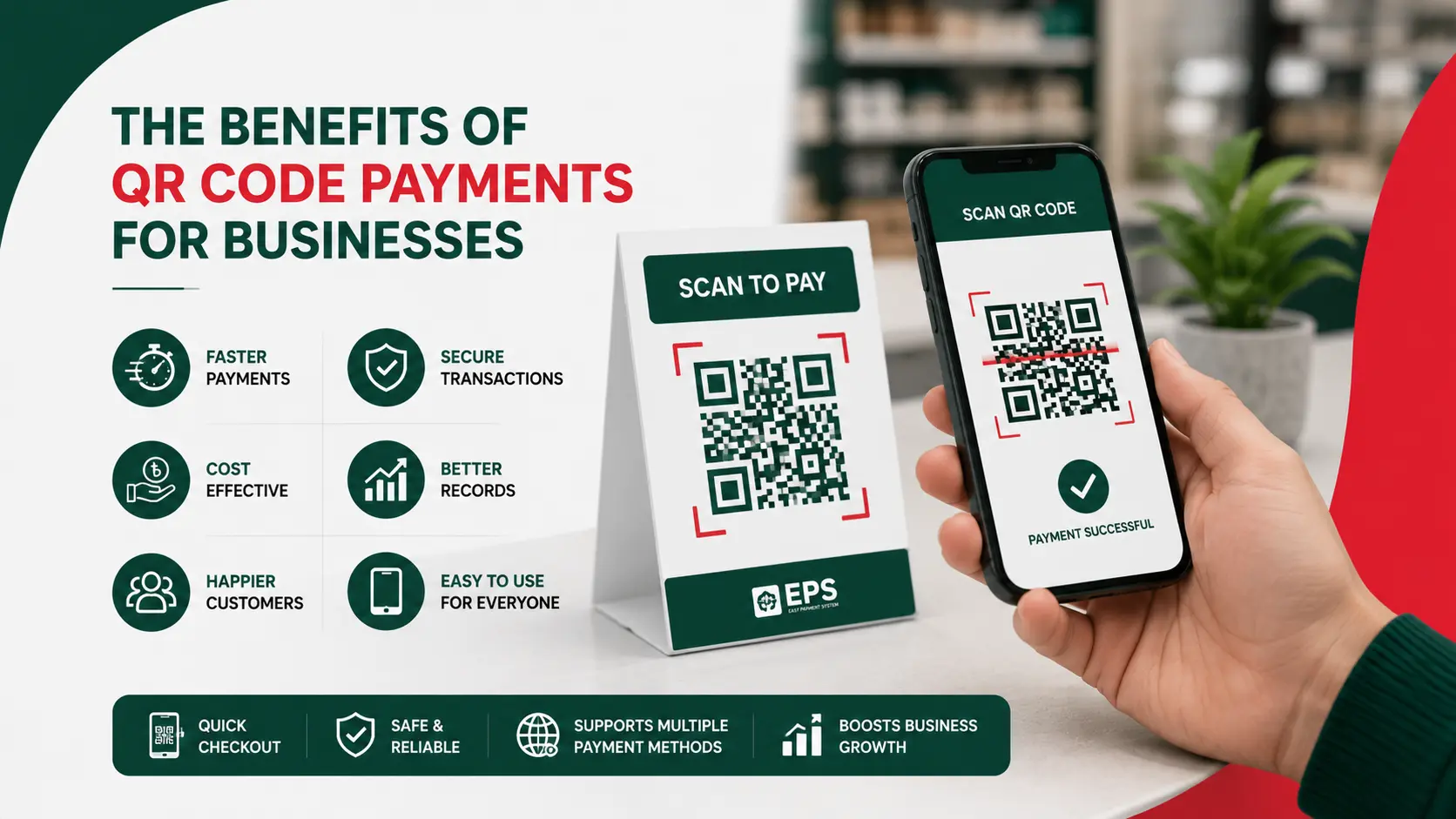
The Benefits of QR Code Payments for Businesses
Digital payments have become a standard part of business operations across Bangladesh. Customers expect quick, secure, and contactless ways to pay, while businesses look for payment solutions that reduce delays and improve cash flow. QR code payments meet both needs by offering a simple way to accept money without expensive hardware or complicated setups.
Businesses searching for an online payment gateway in Bangladesh often compare payment options before selecting a provider. QR code payment...
...
See More →
<p>Digital payments have become a standard part of business operations across Bangladesh. Customers expect quick, secure, and contactless ways to pay, while businesses look for payment solutions that reduce delays and improve cash flow. QR code payments meet both needs by offering a simple way to accept money without expensive hardware or complicated setups.</p>
<p>Businesses searching for an<a href="https://eps.com.bd/"> <strong>online payment gateway in Bangladesh</strong></a> often compare payment options before selecting a provider. QR code payments have become one of the fastest-growing methods because they are easy for customers and merchants alike.</p>
<p>Working with an experienced <strong>payment gateway company in Bangladesh</strong> also gives businesses access to payment tools, reporting dashboards, settlement management, and technical support that help daily operations run more smoothly.</p>
<h2><strong>Why QR Code Payments Continue to Grow?</strong></h2>
<p>QR payments allow customers to scan a code using a banking app or mobile wallet and complete payment within seconds. There is no need to swipe a card, exchange cash, or manually enter account details.</p>
<p>According to industry reports, digital payment adoption in South Asia has continued to rise by more than 20% annually during recent years. In Bangladesh, the widespread use of smartphones and mobile financial services has encouraged businesses of every size to adopt QR-based payment systems.</p>
<p>Restaurants, pharmacies, retail shops, hospitals, educational institutions, supermarkets, and service providers now regularly offer QR payments alongside traditional payment methods.</p>
<h2><strong>What Is a QR Code Payment?</strong></h2>
<p>A QR code payment is a transaction completed by scanning a Quick Response (QR) code using:</p>
<ul>
<li>Mobile banking apps</li>
<li>Banking applications</li>
<li>Mobile financial service apps</li>
<li>Digital wallets</li>
</ul>
<p>After scanning the code, customers simply confirm the payment amount, authenticate the transaction, and receive instant confirmation.</p>
<p>For businesses, every payment is automatically recorded inside the merchant dashboard.</p>
<h2><strong>Why Businesses Are Choosing QR Code Payments?</strong></h2>
<p>Many companies are replacing manual payment collection because digital transactions reduce unnecessary work.</p>
<p>Some of the biggest reasons include:</p>
<ul>
<li>Faster checkout</li>
<li>Less cash handling</li>
<li>Better transaction records</li>
<li>Easier reconciliation</li>
<li>Lower operational costs</li>
<li>Better customer experience</li>
</ul>
<p>These improvements save time for both employees and customers.</p>
<h2><strong>Faster Checkout Means Better Customer Experience</strong></h2>
<p>Customers dislike waiting in long queues.</p>
<p>Traditional payment methods often require:</p>
<ul>
<li>Counting cash</li>
<li>Looking for change</li>
<li>Card authorization delays</li>
<li>Manual receipt preparation</li>
</ul>
<p>QR code payments reduce these steps dramatically.</p>
<p>Many businesses report that average checkout time becomes noticeably shorter after introducing QR payments.</p>
<p>Shorter waiting times often lead to:</p>
<ul>
<li>More completed purchases</li>
<li>Higher customer satisfaction</li>
<li>Faster service during busy hours</li>
</ul>
<p> </p>
<h2><strong>Reduced Cash Handling Risks</strong></h2>
<p>Handling cash creates several operational challenges.</p>
<p>Businesses must:</p>
<ul>
<li>Count cash daily</li>
<li>Store money safely</li>
<li>Transport cash to banks</li>
<li>Investigate shortages</li>
<li>Correct manual counting mistakes</li>
</ul>
<p>QR payments move funds digitally, reducing dependence on physical cash.</p>
<p>Less cash handling also lowers exposure to theft and accounting discrepancies.</p>
<h2><strong>Better Payment Records</strong></h2>
<p>Manual bookkeeping can create missing entries or duplicate records.</p>
<p>Digital payments automatically record:</p>
<ul>
<li>Transaction amount</li>
<li>Date</li>
<li>Time</li>
<li>Customer reference</li>
<li>Payment status</li>
</ul>
<p>Business owners can quickly review transactions without searching through paper receipts.</p>
<p>This becomes especially useful during monthly reconciliation.</p>
<h2><strong>Easier Financial Reporting</strong></h2>
<p>Financial reports become much easier when payments are recorded automatically.</p>
<p>Business owners can monitor:</p>
<ul>
<li>Daily sales</li>
<li>Weekly collections</li>
<li>Monthly revenue</li>
<li>Refund history</li>
<li>Settlement reports</li>
</ul>
<p>Many businesses use these reports to improve budgeting and operational planning.</p>
<h2><strong>Supports Multiple Customer Payment Preferences</strong></h2>
<p>Customers no longer rely on a single payment option.</p>
<p>Many people prefer:</p>
<ul>
<li>Mobile banking</li>
<li>Internet banking</li>
<li>Debit cards</li>
<li>Credit cards</li>
<li>Mobile wallets</li>
</ul>
<p>Businesses offering multiple <strong>online payment methods in Bangladesh</strong> often provide a smoother purchasing experience for different customer groups.</p>
<h2><strong>Lower Equipment Costs</strong></h2>
<p>Card terminals can involve hardware costs and maintenance expenses.</p>
<p>QR payments require very little equipment.</p>
<p>Many businesses simply display:</p>
<ul>
<li>Printed QR codes</li>
<li>Countertop stands</li>
<li>Digital QR codes</li>
<li>Website QR codes</li>
</ul>
<p>This makes QR payments practical for:</p>
<ul>
<li>Small businesses</li>
<li>Restaurants</li>
<li>Grocery stores</li>
<li>Clinics</li>
<li>Freelancers</li>
<li>Home-based businesses</li>
</ul>
<h2><strong>Better Security</strong></h2>
<p>Modern QR payment systems include multiple security measures.</p>
<p>Common protections include:</p>
<ul>
<li>Encrypted communication</li>
<li>Secure authentication</li>
<li>Fraud monitoring</li>
<li>Transaction verification</li>
<li>Payment confirmation</li>
</ul>
<p>Choosing a reliable <strong>payment gateway service provider in Bangladesh</strong> helps businesses maintain secure payment processing while protecting customer information.</p>
<h2><strong>Suitable for Businesses of Every Size</strong></h2>
<p>QR payments are no longer limited to large retailers.</p>
<p>Small businesses also benefit because implementation is straightforward.</p>
<p>Industries using QR payments include:</p>
<ul>
<li>Restaurants</li>
<li>Retail stores</li>
<li>Pharmacies</li>
<li>Clinics</li>
<li>Educational institutions</li>
<li>Garment businesses</li>
<li>Consultants</li>
<li>Delivery services</li>
<li>Supermarkets</li>
<li>Online businesses</li>
</ul>
<h2><strong>Faster Settlement Improves Cash Flow</strong></h2>
<p>Cash flow plays an important role in daily business operations.</p>
<p>Delayed payments can affect:</p>
<ul>
<li>Supplier payments</li>
<li>Staff salaries</li>
<li>Inventory purchases</li>
<li>Operational expenses</li>
</ul>
<p>Digital settlements help businesses receive funds much faster than many traditional collection methods.</p>
<h2><strong>Supports Contactless Transactions</strong></h2>
<p>Many customers now prefer contactless payments.</p>
<p>QR codes allow customers to:</p>
<ul>
<li>Scan</li>
<li>Confirm</li>
<li>Pay</li>
</ul>
<p>without exchanging cash or cards.</p>
<p>This process feels quicker while reducing unnecessary physical contact during transactions.</p>
<h2><strong>Easy Integration With Business Systems</strong></h2>
<p>Many QR payment solutions can connect with:</p>
<ul>
<li>POS software</li>
<li>ERP systems</li>
<li>Accounting software</li>
<li>E-commerce stores</li>
<li>Mobile applications</li>
</ul>
<p>Businesses already using an <strong>easy payment system in Bangladesh</strong> often combine QR payments with their existing sales and accounting platforms.</p>
<h2><strong>Helps Businesses Accept International Payments</strong></h2>
<p>Businesses serving overseas customers may also need global payment capabilities.</p>
<p>Many providers now support <strong>international payment gateway in Bangladesh</strong> services alongside domestic QR payment options, allowing merchants to accept payments from international customers through supported channels.</p>
<h2><strong>Choosing the Right QR Payment Partner</strong></h2>
<p>Not every payment provider offers the same level of service.</p>
<p>Before selecting a provider, evaluate:</p>
<ul>
<li>Security standards</li>
<li>Settlement speed</li>
<li>Reporting dashboard</li>
<li>API availability</li>
<li>Customer support</li>
<li>Pricing</li>
<li>Integration options</li>
<li>Business experience</li>
</ul>
<p>Many companies searching for the <a href="https://eps.com.bd/about-us"><strong>best payment gateway company in Bangladesh</strong></a> compare these factors before making a decision.</p>
<h2><strong>Industries That Benefit Most</strong></h2>
<p>QR code payments work well across many sectors.</p>
<p>Popular examples include:</p>
<ul>
<li>Retail</li>
<li>Restaurants</li>
<li>Hospitals</li>
<li>Educational institutions</li>
<li>Pharmacies</li>
<li>Logistics</li>
<li>Consultancy firms</li>
<li>Subscription businesses</li>
<li>Government service providers</li>
<li>E-commerce businesses</li>
</ul>
<p>Each industry benefits from quicker collections and improved transaction visibility.</p>
<h2><strong>Final Thoughts</strong></h2>
<p>Businesses continue looking for payment methods that improve customer convenience while making financial management easier. QR code payments meet both objectives through quicker transactions, automated records, lower cash handling, and broader payment acceptance.</p>
<p>As customer expectations continue changing, adopting digital payment options becomes an important part of daily business operations. Choosing the right payment partner helps businesses manage collections securely while supporting future growth.</p>
<p> </p>
See less
Posted on July 14, 2026
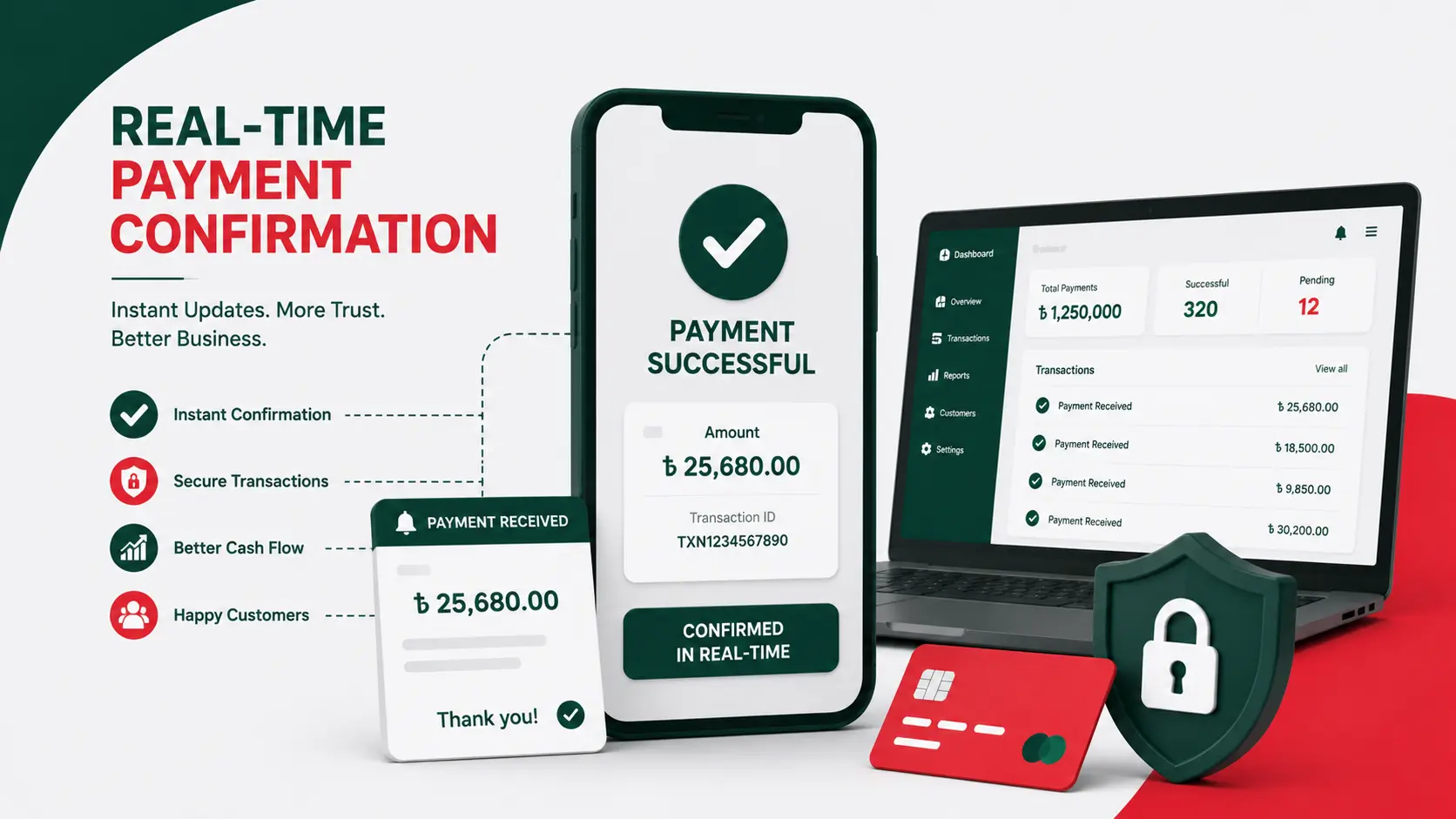
Why Real-Time Payment Confirmation Matters for Businesses
Businesses today process payments through websites, mobile apps, social media stores, subscription platforms, and direct billing systems. While accepting payments online has become common, one factor often determines whether the payment experience feels smooth or frustrating: real-time payment confirmation.
For companies using a modern online payment platform, payment confirmation is no longer just a notification. It plays a direct role in customer satisfaction, order fulfillment, accounting...
...
See More →
<p>Businesses today process payments through websites, mobile apps, social media stores, subscription platforms, and direct billing systems. While accepting payments online has become common, one factor often determines whether the payment experience feels smooth or frustrating: real-time payment confirmation.</p>
<p>For companies using a modern <strong>online payment platform</strong>, payment confirmation is no longer just a notification. It plays a direct role in customer satisfaction, order fulfillment, accounting accuracy, and operational efficiency.</p>
<p>Many businesses still experience delays between payment completion and confirmation updates. These delays create uncertainty for both customers and internal teams. Real-time confirmation removes that uncertainty and helps businesses make faster decisions.</p>
<p>Organizations looking for a trusted<a href="https://eps.com.bd/about-us"> <strong>payment gateway company in Bangladesh</strong></a> often prioritize real-time payment visibility because it affects every stage of the payment lifecycle.</p>
<p>Whether you run an e-commerce store, educational institution, hospital, consulting firm, or manufacturing business, immediate confirmation can improve payment management and customer confidence.</p>
<h2><strong>What Is Real-Time Payment Confirmation?</strong></h2>
<p>Real-time payment confirmation refers to the instant verification that a transaction has been successfully completed.</p>
<p>When a customer pays through a card, mobile banking service, bank transfer, or digital wallet, the payment system immediately notifies both the customer and the business.</p>
<p>Instead of waiting several minutes or hours for transaction verification, the payment status becomes available almost instantly.</p>
<p>A real-time confirmation system typically includes:</p>
<ul>
<li>Payment success notification</li>
<li>Transaction reference number</li>
<li>Automated receipt generation</li>
<li>Dashboard update</li>
<li>Order status update</li>
<li>Settlement tracking</li>
</ul>
<p>This immediate visibility helps businesses continue operations without unnecessary delays.</p>
<h2><strong>Why Delayed Payment Confirmation Creates Problems</strong></h2>
<p>Many companies underestimate the cost of delayed transaction updates.</p>
<p>When payment confirmation takes too long, customers often become concerned about whether the payment was successful.</p>
<p>Common questions include:</p>
<ul>
<li>Was my payment received?</li>
<li>Will I be charged twice?</li>
<li>Should I try again?</li>
<li>Has my order been processed?</li>
</ul>
<p>For businesses, delayed confirmation can create:</p>
<ul>
<li>Duplicate payment attempts</li>
<li>Customer support inquiries</li>
<li>Manual verification work</li>
<li>Order processing delays</li>
<li>Accounting discrepancies</li>
</ul>
<p>A payment delay of even a few minutes can create confusion during high-volume transaction periods.</p>
<h2><strong>Real-Time Confirmation Improves Customer Trust</strong></h2>
<p>Trust is one of the most important factors in online transactions.</p>
<p>According to a 2025 consumer payment behavior survey across South Asia, nearly 68% of users expect transaction confirmation within one minute of making a payment.</p>
<p>When customers receive immediate confirmation, they gain confidence that:</p>
<ul>
<li>Their money has been received</li>
<li>Their order is being processed</li>
<li>Their account information is accurate</li>
<li>The merchant is reliable</li>
</ul>
<p>This is particularly important for first-time buyers.</p>
<p>A business that provides immediate payment updates often experiences fewer complaints and stronger customer retention compared to one with delayed transaction reporting.</p>
<h2><strong>Faster Order Processing and Service Delivery</strong></h2>
<p>Many business processes depend on payment verification.</p>
<p>For example:</p>
<h3><strong>E-commerce</strong></h3>
<p>Orders cannot move to fulfillment until payment is verified.</p>
<h3><strong>Educational Institutions</strong></h3>
<p>Student registrations may depend on fee confirmation.</p>
<h3><strong>Healthcare Providers</strong></h3>
<p>Appointment bookings often require successful payment validation.</p>
<h3><strong>Subscription Services</strong></h3>
<p>User access begins only after payment verification.</p>
<p>When confirmation occurs instantly, businesses can proceed with the next step immediately.</p>
<p>This reduces waiting time and improves the overall customer experience.</p>
<h2><strong>Better Cash Flow Visibility</strong></h2>
<p>Cash flow management depends on accurate transaction data.</p>
<p>Without real-time confirmation, finance teams may struggle to determine:</p>
<ul>
<li>Which payments have been received</li>
<li>Which invoices remain unpaid</li>
<li>Daily transaction volume</li>
<li>Expected settlement amounts</li>
</ul>
<p>Immediate transaction updates provide better financial visibility.</p>
<p>Managers can monitor incoming payments throughout the day and make informed business decisions based on current information rather than outdated reports.</p>
<h2><strong>Reducing Customer Support Workload</strong></h2>
<p>Customer support teams often spend a large portion of their time answering payment-related questions.</p>
<p>Examples include:</p>
<ul>
<li>Payment not showing</li>
<li>Receipt not received</li>
<li>Transaction pending</li>
<li>Duplicate payment concerns</li>
</ul>
<p>When customers receive immediate confirmation, many of these inquiries disappear.</p>
<p>A study conducted among regional digital merchants found that businesses with instant payment notifications experienced approximately 35% fewer payment-related support requests than those relying on delayed confirmation systems.</p>
<p>Less time spent resolving payment concerns allows support teams to focus on more important customer issues.</p>
<h2><strong>Improved Accuracy for Accounting Teams</strong></h2>
<p>Manual reconciliation becomes difficult when payment records are delayed.</p>
<p>Accounting departments often need to:</p>
<ul>
<li>Match transactions</li>
<li>Verify receipts</li>
<li>Confirm invoice payments</li>
<li>Investigate discrepancies</li>
</ul>
<p>Real-time confirmation automatically updates transaction records as payments occur.</p>
<p>This creates cleaner financial records and reduces manual verification work.</p>
<p>Businesses processing hundreds or thousands of transactions daily can save many hours each month through automated payment updates.</p>
<h2><strong>Supporting Multiple Payment Channels</strong></h2>
<p>Today's customers use various payment options.</p>
<p>These include:</p>
<ul>
<li>Cards</li>
<li>Mobile banking</li>
<li>Internet banking</li>
<li>QR payments</li>
<li>Digital wallets</li>
</ul>
<p>Businesses offering multiple <a href="https://eps.com.bd/"><strong>online payment methods in Bangladesh</strong></a> need a centralized system that instantly confirms transactions across all channels.</p>
<p>Without real-time reporting, managing multiple payment sources becomes much more difficult.</p>
<p>A unified confirmation process allows businesses to monitor every transaction from a single dashboard.</p>
<h2><strong>Helping Prevent Payment Disputes</strong></h2>
<p>Payment disputes often occur when customers are unsure whether a transaction was completed.</p>
<p>Examples include:</p>
<ul>
<li>Multiple payment attempts</li>
<li>Chargeback requests</li>
<li>Refund claims</li>
<li>Payment duplication</li>
</ul>
<p>Immediate confirmation reduces confusion.</p>
<p>Customers receive proof of payment right away, including:</p>
<ul>
<li>Transaction ID</li>
<li>Payment amount</li>
<li>Timestamp</li>
<li>Merchant details</li>
</ul>
<p>This information can help resolve disputes before they become costly problems.</p>
<h2><strong>Why Real-Time Confirmation Matters for High-Volume Businesses</strong></h2>
<p>Organizations handling large transaction volumes benefit significantly from instant payment updates.</p>
<p>Examples include:</p>
<h3><strong>E-commerce Stores</strong></h3>
<p>Orders can move directly into fulfillment.</p>
<h3><strong>Educational Institutions</strong></h3>
<p>Student fees can be recorded automatically.</p>
<h3><strong>Hospitals</strong></h3>
<p>Patient billing records update immediately.</p>
<h3><strong>Manufacturing Businesses</strong></h3>
<p>Vendor payments can be tracked without delays.</p>
<h3><strong>Service Companies</strong></h3>
<p>Client invoices can be marked as paid instantly.</p>
<p>The larger the transaction volume, the greater the operational value of real-time confirmation.</p>
<h2><strong>Real-Time Confirmation and Fraud Prevention</strong></h2>
<p>Fraud detection becomes easier when transactions are monitored immediately.</p>
<p>Real-time payment systems can:</p>
<ul>
<li>Identify suspicious activities</li>
<li>Flag unusual payment patterns</li>
<li>Detect duplicate transactions</li>
<li>Alert administrators instantly</li>
</ul>
<p>Businesses using a reliable <strong>payment gateway service provider in Bangladesh</strong> often gain access to automated monitoring systems that provide immediate transaction visibility.</p>
<p>Earlier detection can help reduce financial losses and operational disruptions.</p>
<h2><strong>Supporting International Transactions</strong></h2>
<p>Global businesses often deal with customers and partners from multiple countries.</p>
<p>An <strong>international payment gateway in Bangladesh</strong> allows organizations to receive payments across borders while maintaining visibility into transaction status.</p>
<p>Real-time confirmation becomes particularly important when:</p>
<ul>
<li>Currency conversions are involved</li>
<li>International settlements occur</li>
<li>Cross-border transactions require verification</li>
</ul>
<p>Immediate updates help businesses maintain confidence in international payment operations.</p>
<h2><strong>The Role of Payment Infrastructure</strong></h2>
<p>The quality of payment confirmation depends largely on the payment infrastructure behind the transaction.</p>
<p>Businesses seeking the <strong>best payment gateway Bangladesh</strong> solution should evaluate:</p>
<ul>
<li>Transaction speed</li>
<li>System uptime</li>
<li>Notification accuracy</li>
<li>API performance</li>
<li>Reporting capabilities</li>
</ul>
<p>Strong infrastructure supports faster communication between banks, payment processors, merchants, and customers.</p>
<h2><strong>How Real-Time Confirmation Supports Business Growth</strong></h2>
<p>As transaction volume increases, manual verification becomes less practical.</p>
<p>Businesses that rely on delayed confirmation often experience:</p>
<ul>
<li>Operational bottlenecks</li>
<li>Customer dissatisfaction</li>
<li>Slower order fulfillment</li>
<li>Increased staffing requirements</li>
</ul>
<p>An <strong>easy payment system in Bangladesh</strong> that provides immediate transaction visibility can support business expansion without creating additional administrative burdens.</p>
<p>The ability to verify payments instantly becomes increasingly important as customer expectations continue to rise.</p>
<h2><strong>Choosing the Right Online Payment Solution</strong></h2>
<p>When evaluating an <strong>online payment gateway in Bangladesh</strong>, businesses should look beyond payment acceptance alone.</p>
<p>Consider whether the system offers:</p>
<ul>
<li>Instant payment confirmation</li>
<li>Automated notifications</li>
<li>Real-time dashboard reporting</li>
<li>Secure transaction monitoring</li>
<li>Detailed transaction history</li>
</ul>
<p>The ability to confirm payments immediately can affect every department, from sales and customer service to finance and operations.</p>
<h2><strong>Final Thoughts</strong></h2>
<p>Real-time payment confirmation is no longer a convenience feature. It has become an important part of modern business operations.</p>
<p>Immediate transaction updates help businesses process orders faster, reduce customer concerns, improve accounting accuracy, and maintain better visibility over cash flow.</p>
<p>As digital transactions continue to grow across industries, organizations that invest in reliable payment infrastructure place themselves in a stronger position to serve customers and manage operations efficiently.</p>
<p>For businesses working with EPS Bangladesh, real-time payment visibility helps create a smoother experience for customers while giving management teams the information they need exactly when they need it.</p>
<p> </p>
See less
Posted on July 13, 2026
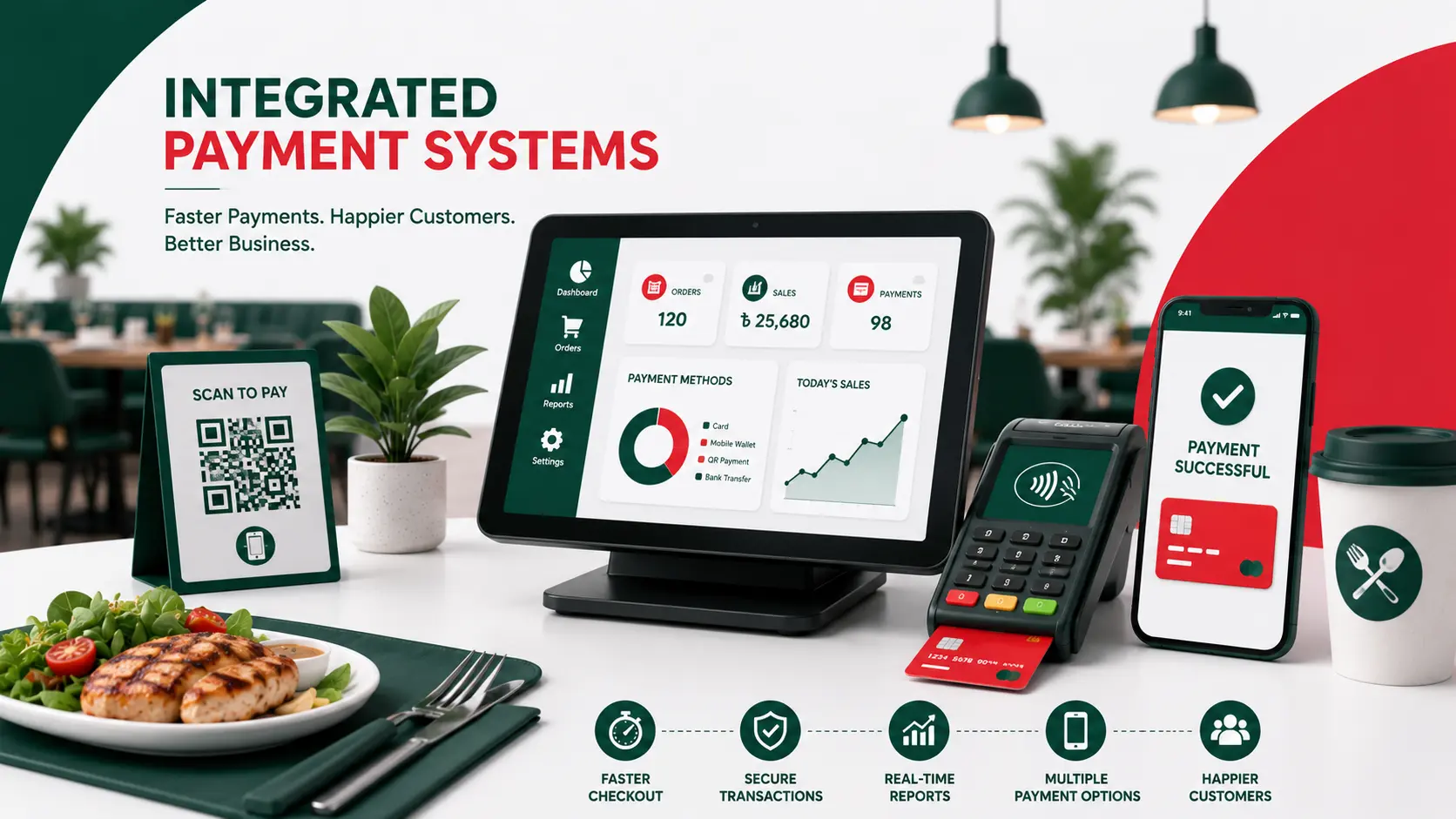
Why Restaurants Need Integrated Payment Systems?
The restaurant business depends on speed, accuracy, and customer satisfaction. From taking orders to accepting payments, every step affects the overall dining experience. Customers no longer want to wait in long billing queues or deal with limited payment options. They expect fast, secure, and flexible payment methods.
Restaurants that still rely on disconnected billing systems often face payment delays, reconciliation issues, manual reporting, and accounting errors. These problems increase s...
...
See More →
<p>The restaurant business depends on speed, accuracy, and customer satisfaction. From taking orders to accepting payments, every step affects the overall dining experience. Customers no longer want to wait in long billing queues or deal with limited payment options. They expect fast, secure, and flexible payment methods.</p>
<p>Restaurants that still rely on disconnected billing systems often face payment delays, reconciliation issues, manual reporting, and accounting errors. These problems increase staff workload and can affect customer satisfaction.</p>
<p>Businesses looking for a reliable online payment gateway in Bangladesh are increasingly adopting integrated payment solutions that connect billing, payment collection, and financial reporting into one platform. This approach helps restaurant owners manage daily operations with greater control while providing a better payment experience for customers.</p>
<p>Restaurants looking for<a href="https://eps.com.bd/restaurant-payment-solutions"> restaurant payment gateway solutions in Bangladesh</a> can connect POS systems, online ordering platforms, QR payments, mobile banking, and accounting into one payment workflow. Instead of managing multiple disconnected systems, restaurant owners can monitor every transaction from a single dashboard.</p>
<h2>What Is an Integrated Payment System?</h2>
<p>An integrated payment system connects your restaurant's billing software, POS system, online ordering platform, delivery service, accounting software, and payment gateway.</p>
<p>Rather than entering payment information manually into multiple systems, every transaction is automatically recorded.</p>
<p>For example:</p>
<ul>
<li>Customer places an order</li>
<li>Bill is generated</li>
<li>Customer pays</li>
<li>Payment is confirmed instantly</li>
<li>Sales report updates automatically</li>
<li>Inventory adjusts accordingly</li>
<li>Accounting records are updated</li>
</ul>
<p>Everything happens without repeated manual entry.</p>
<h2>Why Traditional Restaurant Payment Methods Create Problems</h2>
<p>Many restaurants still operate with separate systems.</p>
<p>The POS records sales.</p>
<p>The accountant records payments later.</p>
<p>Bank statements arrive separately.</p>
<p>Delivery platforms maintain different reports.</p>
<p>Managers compare everything manually at the end of the day.</p>
<p>This process increases the chance of:</p>
<ul>
<li>Missing transactions</li>
<li>Duplicate entries</li>
<li>Cash shortages</li>
<li>Settlement delays</li>
<li>Reporting mistakes</li>
</ul>
<p>Industry studies suggest that restaurants using manual reconciliation spend 25–35% more administrative time on daily financial management compared with restaurants using connected payment systems.</p>
<h2>Customers Expect Faster Payment Experiences</h2>
<p>Customer expectations have changed dramatically.</p>
<p>Many people now expect to pay using:</p>
<ul>
<li>Mobile banking</li>
<li>Debit cards</li>
<li>Credit cards</li>
<li>QR payments</li>
<li>Internet banking</li>
<li>Digital wallets</li>
</ul>
<p>Waiting several minutes simply to complete payment creates frustration.</p>
<p>Restaurants offering multiple payment choices often report higher customer satisfaction because customers can choose the method they already use every day.</p>
<p>Supporting various online payment methods in Bangladesh also helps restaurants serve tourists, business travelers, families, and younger customers who rarely carry cash.</p>
<h2>Faster Table Turnover</h2>
<p>Every restaurant wants to serve more customers during busy hours.</p>
<p>Payment delays slow table turnover.</p>
<p>When billing takes several minutes, new customers wait longer for available seating.</p>
<p>Integrated payment systems shorten the payment process by allowing customers to complete payments almost immediately.</p>
<p>Even reducing payment time by two or three minutes per table can create noticeable improvements during lunch and dinner rush hours.</p>
<h2>Better Accuracy in Financial Reporting</h2>
<p>Restaurant owners depend on accurate reports.</p>
<p>Integrated payment systems automatically record:</p>
<ul>
<li>Daily sales</li>
<li>Refunds</li>
<li>Discounts</li>
<li>Taxes</li>
<li>Tips</li>
<li>Service charges</li>
<li>Payment methods</li>
</ul>
<p>This reduces manual calculations and provides management with clearer financial data.</p>
<p>Instead of waiting until the next day, owners can review sales performance in real time.</p>
<h2>Easier Staff Management</h2>
<p>Restaurant staff already handle multiple responsibilities.</p>
<p>Adding manual payment recording increases pressure during busy periods.</p>
<p>Integrated systems reduce repetitive administrative work.</p>
<p>Staff can spend more time serving customers rather than correcting billing mistakes.</p>
<p>Managers also spend less time reviewing payment discrepancies.</p>
<h2>Reduced Cash Handling</h2>
<p>Cash transactions remain common, but excessive cash handling increases operational risks.</p>
<p>Restaurants managing mostly cash payments often experience:</p>
<ul>
<li>Counting errors</li>
<li>Missing cash</li>
<li>Deposit delays</li>
<li>Security concerns</li>
</ul>
<p>Offering digital payment options helps reduce cash dependency.</p>
<p>Many restaurants have reported lower reconciliation errors after encouraging customers to use electronic payments.</p>
<h2>Better Online Ordering Experience</h2>
<p>Food delivery continues to grow every year.</p>
<p>Customers ordering online expect payment to be completed within seconds.</p>
<p>If payment fails or becomes complicated, many customers abandon the order.</p>
<p>Integrated payment systems connect directly with restaurant websites and food ordering platforms, creating a smoother checkout process.</p>
<p>Restaurants using an easy payment system in Bangladesh often experience fewer abandoned orders because customers encounter fewer payment obstacles.</p>
<h2>Faster Payment Confirmation</h2>
<p>Customers appreciate immediate confirmation after making payments.</p>
<p>Integrated payment systems instantly notify:</p>
<ul>
<li>Customer</li>
<li>Restaurant staff</li>
<li>Kitchen</li>
<li>Accounting department</li>
</ul>
<p>This reduces confusion about whether payment was successful.</p>
<p>It also helps delivery teams dispatch orders more quickly.</p>
<h2>Better Security for Restaurant Transactions</h2>
<p>Restaurants process hundreds or thousands of transactions every month.</p>
<p>Protecting customer payment information is critical.</p>
<p>Modern payment gateways include:</p>
<ul>
<li>Data encryption</li>
<li>Fraud monitoring</li>
<li>Secure authentication</li>
<li>Tokenized payment processing</li>
<li>Transaction verification</li>
</ul>
<p>Working with a trusted payment gateway service provider in Bangladesh helps restaurants reduce payment-related security risks while maintaining customer confidence.</p>
<h2>Support for Multiple Restaurant Locations</h2>
<p>Restaurant chains often struggle to monitor payments across multiple branches.</p>
<p>Integrated systems centralize reporting.</p>
<p>Owners can compare:</p>
<ul>
<li>Sales by branch</li>
<li>Payment methods</li>
<li>Revenue trends</li>
<li>Refund reports</li>
<li>Daily settlements</li>
</ul>
<p>This provides better visibility without collecting reports from every location individually.</p>
<h2>Better Customer Loyalty Programs</h2>
<p>Many restaurants operate loyalty programs.</p>
<p>Customers earn points after every purchase.</p>
<p>Integrated payment systems automatically connect purchases with loyalty accounts.</p>
<p>Customers receive rewards without additional manual processing.</p>
<p>This creates a smoother customer experience while reducing administrative work.</p>
<h2>Easier Refund Management</h2>
<p>Refunds occasionally happen because of order cancellations or billing mistakes.</p>
<p>Manual refund processes often take longer and increase accounting complexity.</p>
<p>Integrated systems record refunds automatically.</p>
<p>Managers can quickly verify refund history while customers receive faster confirmation.</p>
<h2>Useful Business Insights</h2>
<p>Payment systems generate useful business data.</p>
<p>Restaurant owners can identify:</p>
<ul>
<li>Peak business hours</li>
<li>Average order value</li>
<li>Most popular payment methods</li>
<li>Returning customers</li>
<li>Sales trends</li>
</ul>
<p>According to industry estimates, restaurants that regularly review payment analytics often identify operational improvements that increase monthly revenue between 8% and 15% over time.</p>
<h2>International Customer Support</h2>
<p>Many restaurants serve tourists, expatriates, and international business travelers.</p>
<p>Supporting an <a href="https://eps.com.bd/">international payment gateway in Bangladesh</a> allows businesses to accept payments from international cards with greater convenience.</p>
<p>This improves customer experience while reducing payment limitations for foreign visitors.</p>
<h2>Choosing the Right Payment Partner</h2>
<p>Restaurants should evaluate several factors before selecting a payment provider.</p>
<p>Consider:</p>
<ul>
<li>Payment security</li>
<li>Settlement speed</li>
<li>Multiple payment options</li>
<li>POS integration</li>
<li>Online ordering compatibility</li>
<li>Reporting dashboard</li>
<li>API availability</li>
<li>Customer support</li>
<li>Pricing transparency</li>
</ul>
<p>Many restaurant owners search for the best payment gateway Bangladesh because reliable payment processing directly affects customer satisfaction and daily operations.</p>
<h2>How EPS Bangladesh Supports Restaurants?</h2>
<p><a href="https://eps.com.bd/about-us">EPS Bangladesh</a> provides payment solutions designed for restaurants of all sizes.</p>
<p>Businesses can connect their billing system with secure payment processing while managing transactions through a centralized dashboard.</p>
<p>The platform supports:</p>
<ul>
<li>POS integration</li>
<li>QR payments</li>
<li>Mobile banking</li>
<li>Card payments</li>
<li>Internet banking</li>
<li>Online ordering integration</li>
<li>Instant payment confirmation</li>
<li>Reporting dashboard</li>
<li>API integration</li>
</ul>
<p>Restaurants using EPS spend less time managing payment records and more time serving customers.</p>
<h2>Final Thoughts</h2>
<p>Restaurant success depends on much more than food quality. Customers also expect fast service, flexible payment options, and accurate billing.</p>
<p>Integrated payment systems help restaurants reduce manual work, improve payment accuracy, shorten checkout time, and provide better visibility into daily operations. They also create a smoother experience for customers while helping management monitor business performance more effectively.</p>
<p>As customer expectations continue to evolve, restaurants that invest in connected payment technology are better prepared to manage growing transaction volumes and maintain consistent service quality.</p>
See less
Posted on July 05, 2026
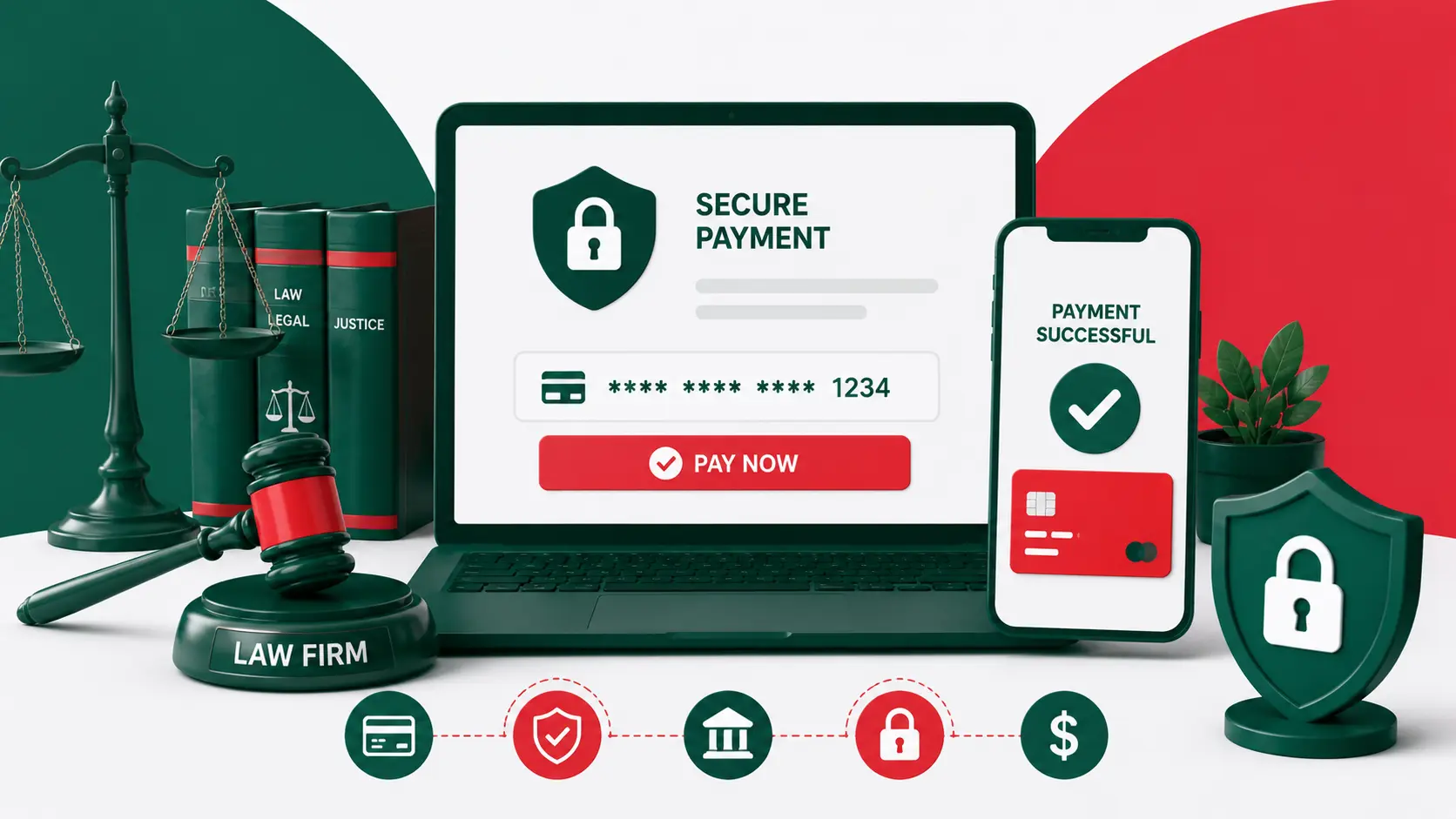
Secure Client Payment Collection for Law Firms
For many law firms, collecting payments from clients is still a time-consuming process. Manual invoices, bank transfers, cash payments, and delayed settlements often create unnecessary pressure on legal teams. While attorneys focus on serving clients and managing cases, payment collection can easily become a bottleneck.
Many firms are now turning to digital payment systems to improve the client experience and maintain steady cash flow. A secure payment platform not only makes collections easi...
...
See More →
<p>For many law firms, collecting payments from clients is still a time-consuming process. Manual invoices, bank transfers, cash payments, and delayed settlements often create unnecessary pressure on legal teams. While attorneys focus on serving clients and managing cases, payment collection can easily become a bottleneck.</p>
<p>Many firms are now turning to digital payment systems to improve the client experience and maintain steady cash flow. A secure payment platform not only makes collections easier but also protects sensitive financial information.</p>
<p>Businesses searching for an online payment gateway in Bangladesh are increasingly looking for solutions that can handle professional service payments with better security and transparency.</p>
<p>Law firms can also benefit from a dedicated solution such as the<a href="https://eps.com.bd/legal-services-payment-solutions"> Trusted payment gateway for legal services in Bangladesh</a>, which is designed to support legal professionals and their payment requirements.</p>
<p>For firms planning to modernize financial operations, choosing a reliable digital payment solution for businesses can help reduce administrative work and improve payment tracking.</p>
<h2><strong>Why Payment Collection Is a Challenge for Law Firms?</strong></h2>
<p>Unlike retail businesses, legal services involve different payment structures. A client may pay:</p>
<ul>
<li>Consultation fees</li>
<li>Case filing fees</li>
<li>Retainers</li>
<li>Monthly service charges</li>
<li>Success-based payments</li>
<li>Corporate legal service fees</li>
</ul>
<p>Each payment may come through different channels and at different times.</p>
<p>A recent survey by Clio found that nearly 35% of law firms face delayed payments from clients every month. Another report indicated that firms using online payments receive invoices nearly 40% faster than those relying on traditional methods.</p>
<p>Late payments create several problems:</p>
<ul>
<li>Cash flow interruptions</li>
<li>Administrative burden</li>
<li>Difficulty in financial forecasting</li>
<li>More time spent on payment follow-ups</li>
<li>Reduced client satisfaction</li>
</ul>
<h2><strong>The Growing Demand for Secure Digital Payments</strong></h2>
<p>Clients today expect convenience.</p>
<p>People book doctor appointments online, order products online, and pay utility bills digitally. They also expect the same experience when paying their legal service providers.</p>
<p>Modern clients want:</p>
<ul>
<li>Mobile payment options</li>
<li>Card payments</li>
<li>Online invoices</li>
<li>Instant payment confirmation</li>
<li>Payment links</li>
<li>Recurring billing options</li>
</ul>
<p>Law firms that fail to provide these facilities often lose valuable time collecting fees.</p>
<h2><strong>Why Security Matters in Legal Payments</strong></h2>
<p>Law firms handle highly sensitive information. Financial transactions contain:</p>
<ul>
<li>Client names</li>
<li>Banking information</li>
<li>Billing records</li>
<li>Case-related documentation</li>
<li>Personal identification details</li>
</ul>
<p>A security breach can damage both reputation and client trust.</p>
<p>According to IBM's Cost of a Data Breach Report, the average cost of a data breach in professional services exceeds USD 4 million globally.</p>
<p>Secure payment systems reduce these risks by using:</p>
<h3><strong>Data Encryption</strong></h3>
<p>Protects information while payments are processed.</p>
<h3><strong>Multi-Layer Authentication</strong></h3>
<p>Adds additional security steps before transactions are approved.</p>
<h3><strong>Fraud Monitoring</strong></h3>
<p>Detects unusual payment activity.</p>
<h3><strong>Secure Payment Gateway Infrastructure</strong></h3>
<p>Protects payment information from unauthorized access.</p>
<h2><strong>Common Payment Collection Problems in Law Firms</strong></h2>
<h3>1. Delayed Invoice Payments</h3>
<p>Clients often forget payment deadlines.</p>
<p>Digital invoices with reminders help improve collection rates.</p>
<h3>2. Manual Accounting Errors</h3>
<p>Typing payment information manually increases the chance of mistakes.</p>
<p>Errors may include:</p>
<ul>
<li>Incorrect amounts</li>
<li>Duplicate entries</li>
<li>Missing invoices</li>
<li>Wrong client records</li>
</ul>
<h3>3. Lack of Payment Tracking</h3>
<p>Without a centralized dashboard, firms struggle to monitor payment status.</p>
<h3>4. Security Concerns</h3>
<p>Emailing banking details or accepting unsecured payments can expose firms to fraud.</p>
<p><br />
</p>
<h2><strong>Benefits of Secure Digital Payment Collection</strong></h2>
<h3>Faster Payments</h3>
<p>Clients can pay instantly from any location.</p>
<p>Many firms report payment collection improvements of up to 30% after implementing digital systems.</p>
<h3>Better Client Experience</h3>
<p>Convenient payment options improve satisfaction.</p>
<p>Clients appreciate:</p>
<ul>
<li>Mobile payments</li>
<li>Card payments</li>
<li>Online invoices</li>
<li>Instant receipts</li>
</ul>
<h3>Better Cash Flow</h3>
<p>Faster collections mean fewer outstanding invoices.</p>
<h3>Lower Administrative Costs</h3>
<p>Less time is spent:</p>
<ul>
<li>Following up with clients</li>
<li>Recording payments manually</li>
<li>Reconciling accounts</li>
</ul>
<h3>Improved Financial Reporting</h3>
<p>Real-time reports help law firms monitor:</p>
<ul>
<li>Daily collections</li>
<li>Outstanding invoices</li>
<li>Client balances</li>
<li>Revenue trends</li>
</ul>
<p> </p>
<h2><strong>Security Features Every Law Firm Should Look For</strong></h2>
<h3>PCI-DSS Compliance</h3>
<p>Ensures payment information is processed securely.</p>
<h3>Fraud Detection Systems</h3>
<p>Monitors suspicious activities before transactions are completed.</p>
<h3>Encrypted Transactions</h3>
<p>Protects client information during payment processing.</p>
<h3>Role-Based Access</h3>
<p>Allows only authorized staff to access financial data.</p>
<h3>Automated Payment Logs</h3>
<p>Maintains a record of every transaction for auditing purposes.</p>
<h2><strong>Payment Methods Modern Clients Prefer</strong></h2>
<p>Research shows that more than 70% of customers prefer digital payments over traditional methods.</p>
<p>Popular options include:</p>
<ul>
<li>Mobile banking</li>
<li>Debit cards</li>
<li>Credit cards</li>
<li>Internet banking</li>
<li>Payment links</li>
<li>QR payments</li>
</ul>
<p>The growth of online payment methods in Bangladesh shows that clients are becoming increasingly comfortable with digital transactions.</p>
<p> </p>
<h2><strong>Why Law Firms Need Payment Automation?</strong></h2>
<p>Payment automation removes repetitive work.</p>
<p>Tasks that can be automated include:</p>
<ul>
<li>Invoice generation</li>
<li>Payment reminders</li>
<li>Recurring billing</li>
<li>Payment confirmation</li>
<li>Reconciliation</li>
</ul>
<p>This creates an easy payment system in Bangladesh for both firms and clients.</p>
<h2><strong>Cross-Border Payments Are Becoming Important</strong></h2>
<p>Corporate legal firms often work with:</p>
<ul>
<li>Foreign investors</li>
<li>Overseas clients</li>
<li>International businesses</li>
</ul>
<p>Supporting an <a href="https://eps.com.bd/">international payment gateway in Bangladesh</a> allows firms to collect payments from clients worldwide.</p>
<p>This creates more opportunities for legal practices serving global clients.</p>
<h2><strong>Choosing the Right Payment Partner</strong></h2>
<p>Selecting the right platform requires careful evaluation.</p>
<p>Look for:</p>
<h3><strong>Security Standards</strong></h3>
<p>Strong encryption and compliance certifications.</p>
<h3><strong>Multiple Payment Options</strong></h3>
<p>Support for cards, banks, and mobile financial services.</p>
<h3><strong>Reporting Dashboard</strong></h3>
<p>Real-time payment tracking.</p>
<h3><strong>Integration Support</strong></h3>
<p>Ability to connect with accounting software.</p>
<h3><strong>Customer Support</strong></h3>
<p>Fast assistance when needed.</p>
<p>A reliable payment gateway service provider in Bangladesh should offer all these capabilities.</p>
<p>Many businesses are also searching for the best payment gateway Bangladesh that supports professional service industries such as legal firms.</p>
<h2><strong>The Future of Legal Payment Collection</strong></h2>
<p>The legal industry is gradually shifting toward digital operations.</p>
<p>Client expectations are changing.</p>
<p>Digital payments are becoming part of normal business operations rather than an optional service.</p>
<p>Law firms that adopt secure payment technologies can:</p>
<ul>
<li>Collect payments faster</li>
<li>Reduce administrative work</li>
<li>Improve financial visibility</li>
<li>Build stronger client trust</li>
<li>Protect sensitive information</li>
</ul>
<h2><strong>Final Thoughts</strong></h2>
<p>Payment collection is one of the most important parts of running a successful law firm. Delayed invoices and manual processes create unnecessary stress and can affect business growth.</p>
<p>Secure digital payment systems provide a better experience for both firms and clients. They reduce payment delays, strengthen security, and provide better financial control.</p>
<p>As legal services continue to become more technology-driven, investing in secure payment infrastructure is no longer a luxury. It has become a practical step for firms that want better financial management and stronger client relationships.</p>
<p>For firms seeking a secure and reliable payment partner, <a href="https://eps.com.bd/about-us">EPS Bangladesh</a> continues to support businesses with modern payment solutions built for today's professional service industry.</p>
<p> </p>
See less
Posted on July 02, 2026
Manage News & Blogs
| Title | Content | Image | Actions |
|---|---|---|---|
| How Payment Links Help Businesses Collect Payments Faster | Collecting payments quickly is one of the biggest... |
|
|
| The Benefits of QR Code Payments for Businesses | Digital payments have become a standard part of bu... |
|
|
| Why Real-Time Payment Confirmation Matters for Businesses | Businesses today process payments through websites... |
|
|
| Why Restaurants Need Integrated Payment Systems? | The restaurant business depends on speed, accuracy... |
|
|
| Secure Client Payment Collection for Law Firms | For many law firms, collecting payments from clien... |
|
|