
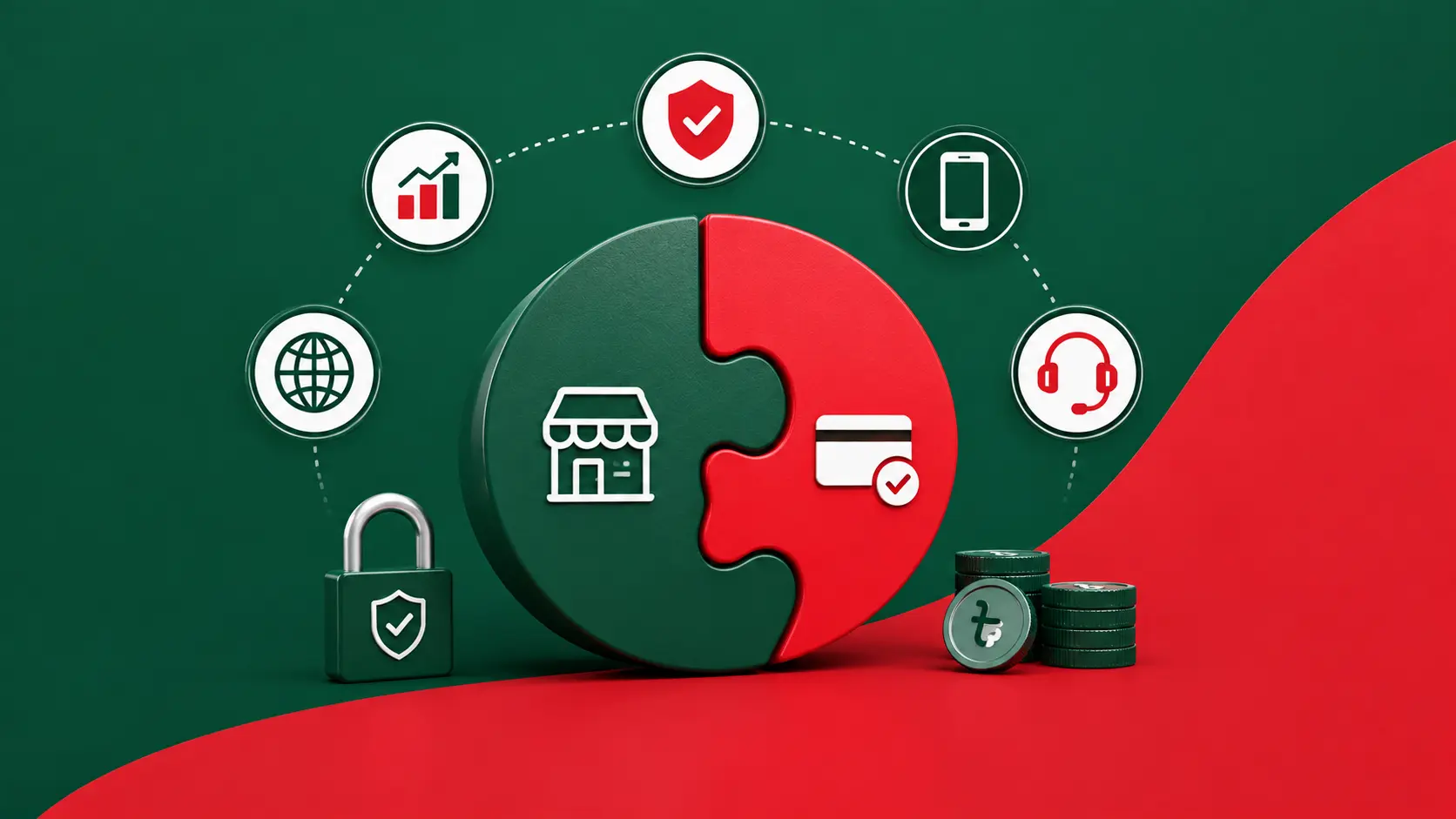
A complete payment ecosystem brings payment collection, transaction tracking, reporting, settlement, refunds, payment links, QR payments, and software connections into a coordinated system. For businesses handling payments through several channels, this can reduce the amount of information that staff need to collect and compare manually. Companies looking for an online payment gateway in Bangladesh often begin with online checkout, but their needs can grow quickly as sales channels and transaction volumes increase.
A business may receive payments through its website, physical outlets, social commerce pages, payment links, QR codes, or mobile applications. When every channel uses a different tool, finance and operations teams may need to check several dashboards before they know the full payment position. A connected payment structure gives them one broader view of transaction activity.
This is where working with a payment gateway service provider in Bangladesh can become useful. Instead of treating each payment channel as a separate project, businesses can look for a system that connects payment collection with reporting, settlement information, customer notifications, refunds, and business software.
What Is a Complete Payment Ecosystem?
A payment ecosystem is more than a payment gateway.
It can bring several payment functions together, including:
- Online checkout
- Card payments
- Bank-based payments
- QR payments
- Payment links
- Recurring collections
- Refund processing
- Transaction notifications
- Settlement tracking
- Merchant reporting
- API connections
- Business automation
The main difference is the relationship between these functions.
With separate tools, each service may keep its own transaction records. Employees then have to move information from one platform to another.
With a connected system, payment information can follow a more consistent path from the customer's transaction to the merchant's financial records.
Why Separate Payment Tools Can Become a Problem
Using different payment tools is not always a bad decision.
A small business with one sales channel and a limited number of transactions may have little difficulty managing a basic payment setup.
The problem often appears when the business grows.
For example, a retailer might start with website payments. Later, it adds Facebook sales, physical stores, QR payments, and payment links. Each new channel may introduce another dashboard, report, login, settlement process, and customer support contact.
This can create several operational problems.
Multiple Dashboards
Finance teams may need to check several platforms to understand daily payment activity.
If a business receives 10,000 payments each month through four channels, staff may need to compare records from four separate sources before preparing a complete report.
Manual Reconciliation
Payment information may need to be matched with:
- Order numbers
- Customer names
- Transaction amounts
- Payment dates
- Refunds
- Settlement records
Even a 2% mismatch rate across 10,000 monthly transactions would mean checking around 200 records.
The actual workload depends on the business process, but the example shows how small reconciliation issues can become a regular administrative task.
Different Customer Experiences
Customers may see different payment screens depending on where they purchase.
One channel might offer cards, another may offer QR payments, while another only provides bank-based payment options.
This can make the overall buying experience less consistent.
One Payment Environment Gives Finance Teams More Control
Finance teams need more than confirmation that a customer has paid.
They also need to know:
- How much was collected
- Which channel was used
- Which transactions failed
- Which payments were refunded
- What has been settled
- Which transactions are pending
- Which outlet or business unit received the payment
A connected payment environment can bring these details into a central reporting structure.
For a retailer with 20 outlets, for example, management could review overall payment activity while still checking individual outlet records.
This type of visibility can reduce the need to request separate reports from branch managers.
Customers Want Payment Choice
Customers do not all use the same payment method.
One person may prefer a card. Another may use a mobile financial service. Someone else may prefer a QR code or a payment link.
Businesses that offer suitable choices can make it easier for customers to complete transactions.
Companies comparing the best payment gateway Bangladesh options should therefore look beyond transaction charges. Payment channels, reporting, integration, security, merchant support, and settlement arrangements all deserve attention.
The right platform is the one that matches how customers actually pay and how the business manages those transactions internally.
Payment Links Can Connect Offline and Online Sales
Payment links are useful when a customer does not begin the purchase on a website.
Consider a consultant who completes a client meeting and needs to collect a service fee. Instead of asking the client to visit a website and find the correct payment page, the business can send a payment request.
The same approach can work for:
- Clinics
- Educational institutions
- Event organizers
- Service companies
- Freelancers
- Repair businesses
- Professional firms
When payment links are part of the same merchant environment as website payments, transaction records can remain easier to track.
QR Payments Add Another Collection Channel
QR payments can be useful in physical locations.
Restaurants, shops, clinics, event venues, and service counters can display a QR code that customers scan using a compatible device.
The benefit is not only convenience at the counter.
When QR transactions are connected with the same payment reporting structure as other channels, businesses do not need to maintain a separate payment record simply because the customer used a QR code.
API Integration Connects Payments With Business Software
Payment information often needs to reach other systems.
A business may use:
- Accounting software
- ERP systems
- CRM platforms
- Inventory systems
- Order management software
- Customer service tools
API integration can allow transaction information to move between these platforms based on predefined rules.
For example, once a payment is confirmed, the order management system can receive the status and update the order.
This can reduce repetitive data entry and lower the chance of a staff member entering the wrong transaction amount or reference number.
Reporting Becomes Easier
Separate payment systems often produce separate reports.
A finance employee may have to download several files and combine them before preparing a monthly report.
A connected payment environment can provide information such as:
- Transaction totals
- Failed transactions
- Refunds
- Settlement amounts
- Payment channels
- Transaction dates
- Order references
- Outlet information
This gives management a clearer view of payment activity.
For a growing business, the ability to search and filter transactions can also make customer support easier. Staff can find a payment record without asking the customer to repeat the same information several times.
Refunds and Settlement Need the Same Attention
Payment collection is only one part of the payment cycle.
Businesses also deal with refunds, cancellations, failed payments, disputes, and settlements.
When these activities are handled by separate tools, staff may have to compare records before responding to a customer.
A connected environment can keep the transaction history together, making it easier to trace what happened from the original payment through later adjustments.
This can be particularly useful for e-commerce stores, subscription businesses, education providers, healthcare organizations, and retailers with high transaction volumes.
A Complete Ecosystem Can Support New Sales Channels
Business requirements rarely remain unchanged.
A company may begin with one website and later add:
- Physical branches
- Facebook commerce
- Mobile applications
- Payment links
- QR payments
- Subscription billing
- Corporate payment collection
Each new sales channel can add another operational process if it is handled through an unrelated tool.
A connected payment ecosystem gives businesses a common payment structure that can accommodate different channels.
This does not mean every business needs every payment feature. The better approach is to select the functions that match current sales activity and likely business requirements.
Security Is Easier to Review With Fewer Systems
Security is another reason businesses may prefer a connected payment structure.
When payment activities are spread across many unrelated tools, access permissions, user accounts, transaction records, and support contacts can also be spread across those platforms.
A central payment environment can make it easier for administrators to review:
- User permissions
- Transaction activity
- Authentication requirements
- Payment records
- Account access
- Security controls
Businesses should still review the security standards, compliance requirements, data practices, and merchant policies of the provider before signing an agreement.
How a Payment Ecosystem Can Reduce Manual Work
Consider a business processing 5,000 payments each month.
If each transaction requires one additional manual verification because payment information is split between different systems, the finance team may need to perform 5,000 extra actions.
At only 30 seconds per check, that represents about 41.7 hours of manual work.
That is more than five eight-hour working days.
The actual time will vary from business to business, but the calculation shows why connected payment records can matter when transaction volumes increase.
Reducing repetitive payment checks gives staff more time for reconciliation, customer queries, financial planning, and other business tasks.
What Businesses Should Look for in a Payment Ecosystem
Before selecting a platform, businesses should review their actual payment journey.
Payment Methods
Check whether the provider supports the channels customers already use.
The range may include cards, bank payments, QR payments, payment links, mobile payments, and recurring billing.
Reporting
Review whether the dashboard provides transaction searches, settlement reports, refunds, exports, and useful filters.
Integration
Ask about APIs, webhooks, technical documentation, and integration support.
Merchant Management
Look for user permissions, transaction monitoring, settlement visibility, and account controls.
Customer Support
Understand how technical issues, failed transactions, refunds, and account questions are handled.
Security and Compliance
Review the provider's security practices and the regulatory requirements relevant to the business and its payment activities.
EPS Bangladesh and the Payment Ecosystem Approach
EPS Bangladesh provides payment services for businesses across different industries.
Companies looking for an easy payment system in Bangladesh can consider a payment structure that brings together payment collection, payment links, QR payments, transaction monitoring, reporting, and system integration.
The right setup depends on the business model, customer behavior, transaction volume, and sales channels. A retailer may have different requirements from a hospital, school, restaurant, consultancy firm, or e-commerce company.
Local and International Payment Requirements
Businesses serving customers in Bangladesh may need several online payment methods in Bangladesh to match local customer preferences.
Companies selling to overseas customers may also require an international payment gateway in Bangladesh with suitable settlement arrangements, supported payment channels, currency handling, and compliance processes.
These requirements should be assessed before selecting a provider rather than after the business has already built its payment process.
Why One Connected System Can Make Business Operations Easier
Separate tools can work for businesses with simple payment needs.
As the number of payment channels grows, the administrative cost of managing those tools can also increase.
The cost is not limited to software subscriptions.
Businesses may spend time on:
- Comparing transaction reports
- Checking payment status
- Matching settlements
- Managing refunds
- Responding to payment questions
- Maintaining several user accounts
- Troubleshooting multiple integrations
A payment ecosystem brings these activities closer together.
That can give finance, sales, operations, and customer service teams a shared view of payment activity.
Final Thoughts
A complete payment ecosystem is not simply a collection of payment features. Its main purpose is to connect payment collection with the business processes that happen before and after a transaction.
When checkout, payment links, QR payments, reporting, settlement, refunds, security, and software integration work within one connected structure, businesses can reduce the amount of information that staff have to move between separate systems.
The best approach is to map the full payment journey before choosing a provider. Identify the channels customers use, the manual tasks finance teams perform, the software that needs payment data, and the reporting management requires.
Once these requirements are clear, businesses can compare payment solutions based on how well they fit the complete operation rather than choosing a tool for one payment task alone.