
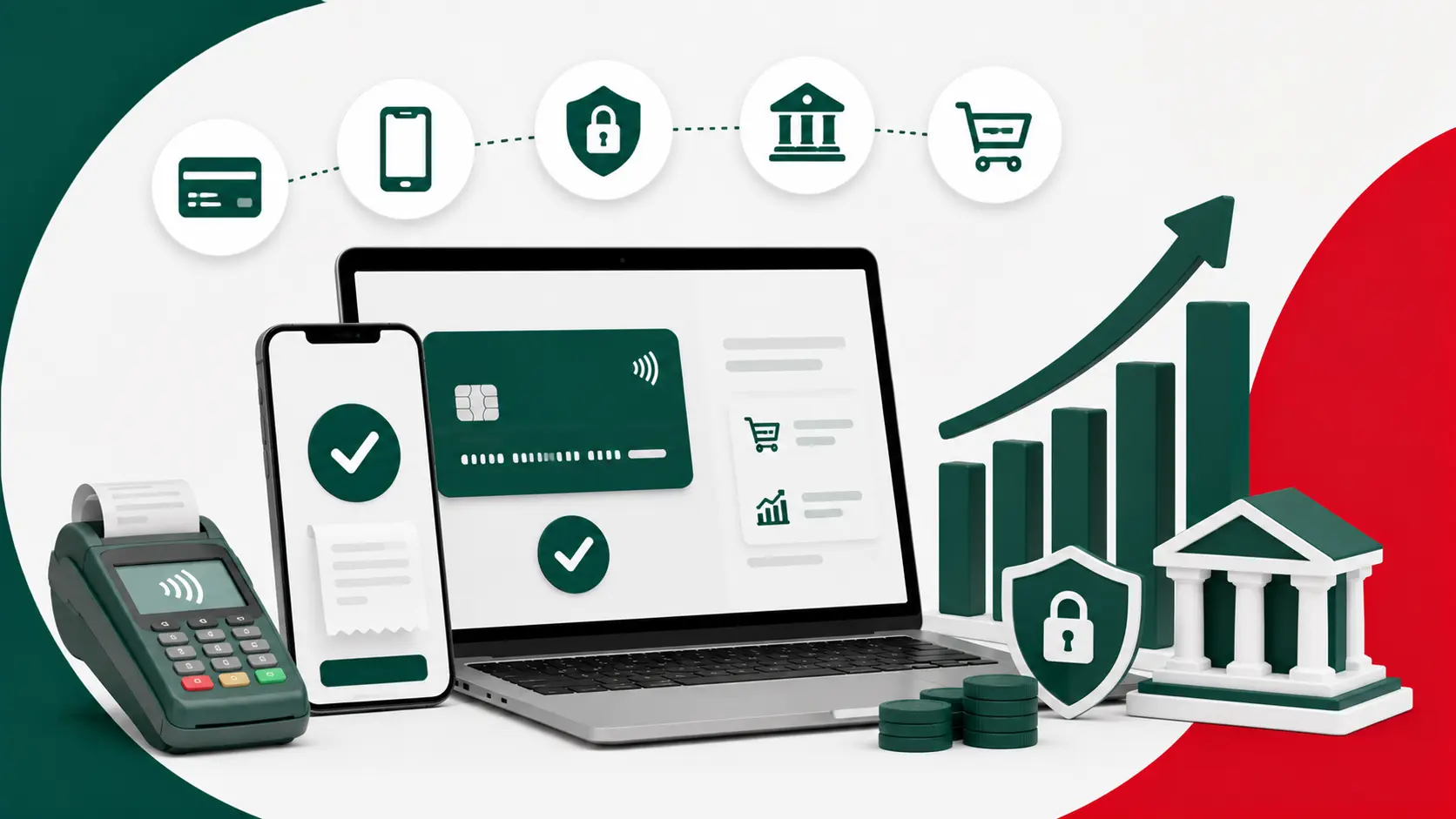
Choosing the Right Payment Infrastructure for Business Growth
Business growth often brings more customers, more transactions, more payment channels, and more financial records to manage. A payment setup that works for a small operation may create delays and extra manual work once transaction volume increases. Choosing the right payment infrastructure early can help a business handle these changes with fewer payment-related problems.
A good payment structure should fit the way a business sells and collects money. It should support websites, mobile transactions, payment links, QR payments, cards, bank-based payments, and other channels that customers may prefer. Businesses can review the available payment services for businesses before deciding which functions they need.
The provider also matters. A business needs a partner that can support payment processing, transaction records, customer communication, and day-to-day payment management. EPS Bangladesh provides payment services for different business sectors, while its payment gateway company in Bangladesh profile gives businesses a starting point for understanding the company and its services.
What Is Payment Infrastructure?
Payment infrastructure is the collection of technology, payment channels, security processes, systems, and service connections used to receive and manage customer payments.
It may include:
- Payment gateway connections
- Merchant accounts
- Card payment processing
- QR payment acceptance
- Payment links
- Bank payment channels
- Mobile-based payment options
- Transaction notifications
- Refund processing
- Payment reconciliation
- Reporting tools
- API connections
- Security controls
These parts work together during a payment. A customer selects a payment method, provides the required information, completes verification, and receives confirmation. The business then needs a reliable record of the transaction so its finance team can match the payment with the related order or service.
The right setup therefore involves more than selecting a payment button for a website. It is about creating a payment process that fits the company's sales model.
Why Payment Infrastructure Matters for Growth
As transaction volume rises, small payment problems can become costly.
For example, suppose an online business processes 500 transactions per month. Its finance team may be able to check individual payments manually. If the same business grows to 10,000 transactions per month, manual checking becomes much harder.
Even a 1% payment-record mismatch would mean around 100 transactions requiring additional review each month.
This is why payment infrastructure should be considered part of business planning rather than just a technical feature.
A suitable system can help businesses:
- Handle higher transaction volumes
- Give customers more ways to pay
- Reduce manual payment checking
- Track successful and failed transactions
- Confirm payments faster
- Keep transaction records organised
- Support different sales channels
- Connect payment activity with business systems
1. Start With Your Business Payment Needs
Before comparing providers, list how customers currently pay and how you expect them to pay as the business grows.
An e-commerce store may need website checkout, QR payments, payment links, and recurring billing. A consultancy firm may need invoices and payment links. A restaurant may need QR payments and counter-based transactions. A large organisation may require API connections and automated reconciliation.
Ask these questions:
- How many payments do we process each month?
- What is the average transaction value?
- Which payment channels do customers use?
- Do we sell locally or internationally?
- Do we need payment links?
- Do we need QR payments?
- Do we need recurring payments?
- Does our accounting system need payment data?
- How quickly should customers receive confirmation?
The answers provide a practical basis for choosing a payment setup.
2. Support Multiple Payment Methods
Customers do not all pay in the same way. Some may prefer cards, while others may use mobile wallets, QR codes, bank payments, or online checkout.
For this reason, businesses should assess whether a provider supports the online payment methods in Bangladesh that match their customers.
A wider selection can reduce situations where a customer reaches checkout but cannot find a suitable payment option.
The goal is not to add every possible method. The better approach is to identify the payment channels that have real demand among your customers.
For example, a retailer serving younger mobile-first customers may place more attention on QR and mobile payment options. A B2B company may place greater attention on invoices, bank payments, and payment links.
3. Look at Security and Transaction Controls
Payment infrastructure handles sensitive financial information, so security should be one of the first areas reviewed.
Ask potential providers how they protect transactions, manage access, monitor suspicious activity, and handle failed or disputed payments.
Businesses should also understand which security responsibilities belong to the merchant and which are handled by the payment provider.
A good payment setup should provide clear transaction statuses, secure authentication processes, appropriate access controls, and useful records for payment reviews.
Security should not be treated as a feature that is checked only after a problem occurs. It should be part of the selection process from the beginning.
4. Check Payment Reliability
Payment failures can affect both revenue and customer trust.
Suppose a business receives 20,000 payment attempts in a month and 3% fail for reasons related to payment processing, customer authentication, or other transaction issues. That represents about 600 affected attempts.
The actual financial impact depends on the average order value and how many customers retry their payments. Still, the example shows why businesses should monitor payment success rates.
When comparing providers, ask about:
- Transaction success rates
- Failed payment handling
- Retry options
- Error messages
- Transaction status updates
- Downtime communication
- Customer support
A payment system should make it easy for the business to identify what happened when a transaction does not complete.
5. Consider API and Business System Connections
Growing businesses often use several systems for sales, accounting, inventory, customer management, and reporting.
If payment information remains separate from these systems, employees may need to copy transaction details manually.
API integration can allow payment information to move between connected systems based on defined business rules.
For example, after a successful payment, an order system could update the order status while the finance system records the transaction reference. This can reduce repetitive data entry and make payment records easier to review.
Before choosing a provider, ask whether APIs are available, what documentation is provided, what events can be received, and how transaction status information is returned.
6. Compare Costs Beyond Transaction Fees
Transaction fees are easy to compare, but they are not the only cost.
Businesses should review:
- Setup fees
- Monthly charges
- Per-transaction fees
- Refund charges
- Settlement-related costs
- Currency conversion costs
- Integration expenses
- Support charges
- Additional service fees
A provider with a lower headline transaction fee may not always be the lower-cost option once all charges are included.
Create a simple monthly comparison using your actual transaction volume.
For example, if your business processes 5,000 transactions per month with an average value of Tk 1,500, the monthly payment volume would be Tk 7.5 million. Even a small difference in fees can become noticeable at this level.
7. Check Local and International Payment Support
Businesses selling outside Bangladesh have different requirements from businesses serving only domestic customers.
If you receive money from overseas customers, ask whether the provider supports an international payment gateway in Bangladesh and which currencies, cards, settlement arrangements, and transaction rules apply.
Local businesses should also consider whether their payment infrastructure can support future expansion without requiring a completely different setup.
The right choice depends on the company's actual market rather than simply selecting the provider with the largest feature list.
8. Review Reporting and Reconciliation
Payment data is useful only when the business can understand and use it.
A good reporting system should help finance teams identify:
- Successful payments
- Failed transactions
- Refunds
- Pending transactions
- Settlement records
- Transaction references
- Payment dates
- Payment channels
Consider a company with 15 sales representatives collecting customer payments through different channels. If payment records are spread across messages, spreadsheets, bank statements, and separate dashboards, reconciliation can take considerable staff time.
Centralised payment records can make this work easier.
9. Think About Customer Experience
Payment infrastructure is also part of the buying experience.
A customer may leave an order if checkout is confusing, a preferred payment method is missing, or payment confirmation takes too long.
Businesses should therefore review the payment process from the customer's point of view.
The easy payment system in Bangladesh that works best for one company may not be the same for another. A restaurant, online retailer, school, consultancy firm, and hospital have different payment journeys.
Keep the checkout steps clear, provide useful payment instructions, and show a clear confirmation after a transaction.
10. Choose a Provider That Can Support Your Next Stage
Your payment needs today may not be the same six or twelve months from now.
A small business may begin with payment links and QR payments. Later, it may need website checkout, APIs, recurring payments, multiple outlets, or international transactions.
This makes provider support an important part of the decision.
When comparing the best payment gateway Bangladesh options, look beyond the payment page itself. Review the provider's support process, documentation, reporting, settlement process, available channels, and ability to work with your business model.
A payment gateway service provider in Bangladesh should also give clear information about onboarding requirements, transaction handling, support channels, and applicable charges.
Payment Infrastructure Should Support Business Plans
Choosing payment infrastructure is not simply a technology decision. It affects finance teams, customers, sales operations, customer support, and management reporting.
The right setup should match the company's present requirements while leaving room for reasonable growth. It should support the payment channels customers actually use, provide clear transaction information, maintain appropriate security controls, and connect with other business systems where required.
Businesses looking for an online payment gateway in Bangladesh should therefore compare providers based on actual transaction needs rather than choosing only by price or the number of features advertised.
A payment infrastructure plan can also help businesses prepare for new sales channels, additional locations, larger transaction volumes, and changing customer preferences. With the right structure in place, payment collection becomes a more organised part of everyday business operations.
For businesses reviewing their current payment setup or planning a new one, EPS Bangladesh payment solutions can be considered as part of the provider comparison process.