
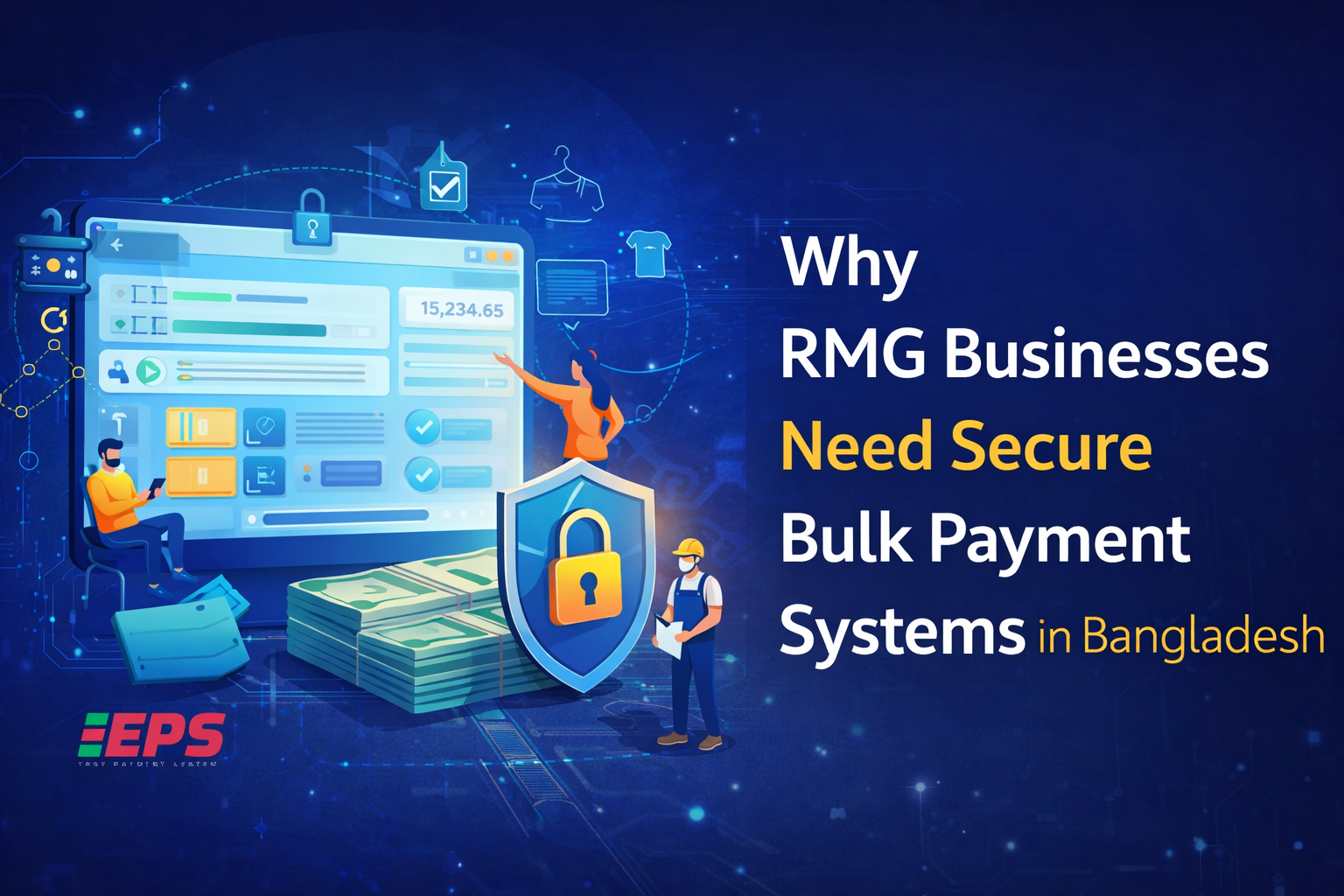
The ready-made garment (RMG) industry depends on timely payments to keep operations running without disruption. From worker salaries to vendor payments, every transaction must be handled with accuracy and security. Many factories still rely on manual banking processes or fragmented systems, which often lead to delays, errors, and financial risks. A secure bulk payment system helps solve these issues by bringing control, speed, and transparency into one process.
Challenges in Traditional Payment Methods
RMG businesses handle thousands of payments every month. Managing these payments manually increases the chance of mistakes. A small error in account details can delay salaries for workers or create disputes with suppliers.
Manual approvals, bank visits, and file processing also slow down the payment cycle. This creates pressure on finance teams and affects overall productivity. Delayed wage payments can also impact worker satisfaction and trust.
Ensuring Timely Salary Disbursement
Workers in the RMG sector rely on receiving salaries on time. Any delay can create serious concerns and disrupt workforce stability. A bulk payment system allows factories to process thousands of salary payments at once, ensuring that funds reach employees without delay.
Scheduled payments and automated processing reduce dependency on manual steps, making salary disbursement more consistent and predictable.
Reducing Errors and Payment Risks
Handling large volumes of transactions manually often leads to duplicate payments, missing entries, or incorrect transfers. A secure bulk payment system reduces these risks by validating payment data before processing.
Every transaction is recorded and tracked, which helps businesses avoid financial discrepancies and maintain accurate records.
Better Visibility and Financial Control
RMG businesses need clear insights into their financial activities. Bulk payment systems provide a centralized dashboard where finance teams can monitor all transactions in real time.
This visibility makes it easier to review payment history, track outgoing funds, and prepare financial reports without relying on multiple sources.
Improved Vendor Payment Management
Apart from salaries, garment factories also deal with frequent payments to suppliers, logistics partners, and service providers. Managing these payments manually can create confusion and delays.
A structured payment system ensures that all vendor payments are processed on time and recorded properly. This helps maintain strong relationships with partners and avoids disruptions in the supply chain.
Reduced Workload for Finance Teams
Processing payments one by one is time-consuming. Finance teams often spend long hours preparing payment files, verifying details, and coordinating with banks.
Bulk payment systems reduce repetitive tasks by handling multiple transactions in a single process. This allows teams to focus on planning and financial management instead of routine operations.
Stronger Security for Financial Transactions
Security is a major concern for RMG businesses dealing with large payment volumes. A secure system includes encryption, access control, and verification steps to protect sensitive financial data.
This reduces the risk of fraud and unauthorized transactions, ensuring that payments are processed safely.
Integration with Existing Business Systems
Many RMG companies use ERP or payroll software to manage operations. A bulk payment system can connect with these platforms, allowing data to flow without manual entry.
This reduces duplication and ensures consistency across financial records.
Choosing the Right Payment Solution
RMG businesses looking for a reliable system should consider a platform designed specifically for their needs. A dedicated payment gateway solutions for RMG industry in Bangladesh can handle bulk salary disbursement, vendor payments, and transaction tracking within a single platform.
Final Thoughts
Secure bulk payment systems play a critical role in the RMG sector. They help businesses maintain payment accuracy, ensure timely salary distribution, and manage financial operations with better control. For factories handling large transaction volumes, adopting a structured payment system is a practical step toward smoother operations and stronger financial management.