
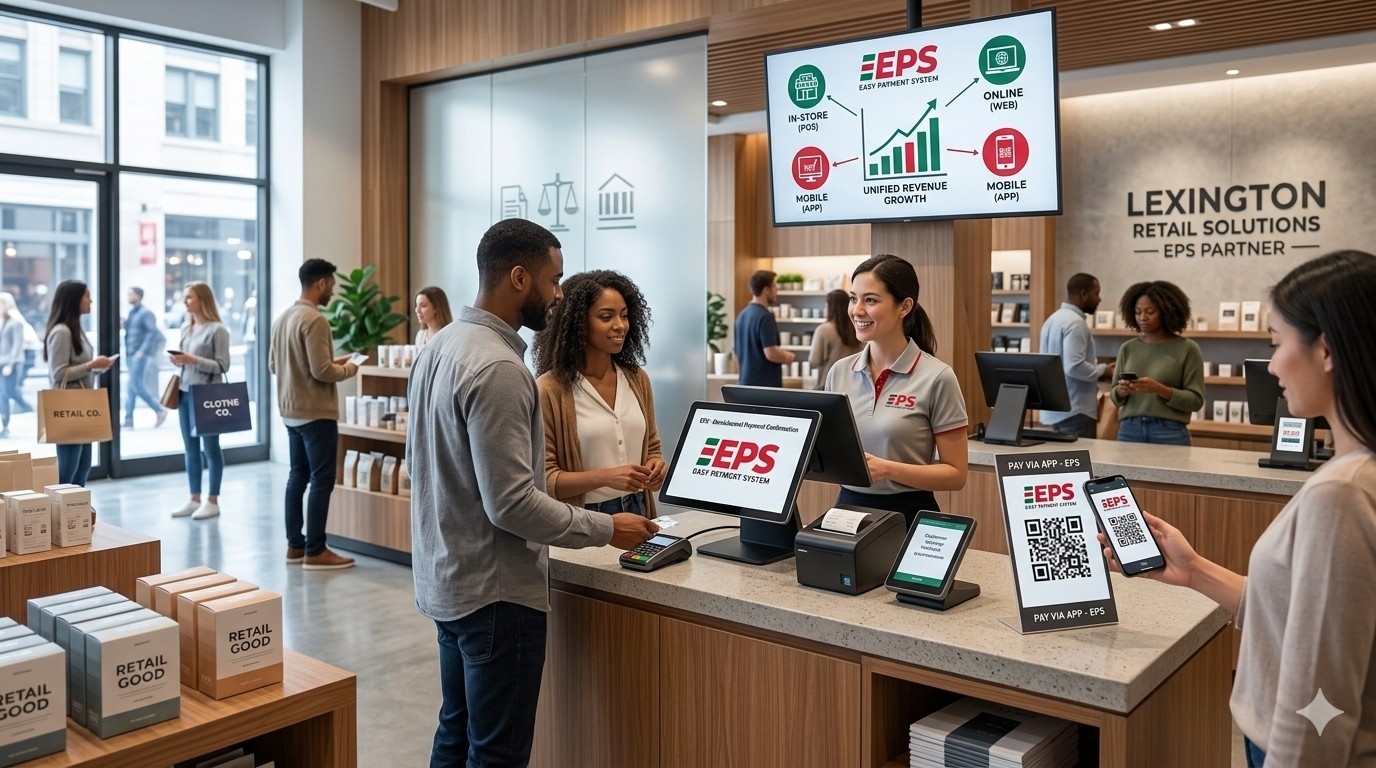
Retail businesses are no longer limited to a single sales channel. Customers shop in-store, order through websites, and use mobile apps to make purchases. When payment systems are not connected across these channels, it creates confusion, delays, and missed sales opportunities.
An omnichannel payment system allows retailers to accept payments across all platforms while keeping everything connected in one place. This helps create a smoother buying experience and supports steady business growth.
The Problem with Disconnected Payment Systems
Many retailers manage in-store and online payments separately. This often leads to inconsistent pricing, payment delays, and difficulty in tracking transactions.
Customers may face issues when switching between channels. For example, a customer might browse products online but choose to pay in-store. Without a connected system, this process becomes complicated and time-consuming.
Consistent Customer Experience Across Channels
Customers expect the same level of convenience whether they shop online or visit a physical store. An omnichannel payment system ensures that payment options remain consistent across all platforms.
Whether paying through mobile banking, cards, or digital wallets, customers can complete transactions without confusion. This creates a smoother experience and encourages repeat purchases.
Faster Checkout and Reduced Waiting Time
In retail, speed matters. Long queues at checkout counters can lead to lost sales. Omnichannel systems support faster billing by integrating point-of-sale systems with digital payment options.
Customers can choose how they want to pay, reducing delays and improving overall service speed.
Better Sales Tracking and Insights
Retailers need a clear view of their sales performance. When payments are handled through separate systems, tracking becomes difficult.
An omnichannel approach keeps all transaction data in one place. This allows business owners to monitor sales across different channels, understand customer behavior, and make better business decisions.
Supporting Online and Offline Sales Together
Retail growth depends on balancing both online and offline sales. An omnichannel payment system connects these two areas, allowing businesses to manage orders and payments without confusion.
For example, customers can order online and pick up in-store, or return items through a different channel. A connected payment system ensures that these processes remain smooth.
Reducing Payment Errors and Mismatches
Handling payments across multiple systems increases the chance of errors. Missing records, duplicate entries, or delayed updates can create financial confusion.
With an integrated system, every transaction is recorded instantly. This helps maintain accurate records and reduces the risk of mismatched data.
Improved Inventory and Order Management
Payments are closely linked to inventory. When systems are connected, stock updates happen automatically after each purchase.
This prevents overselling and helps retailers maintain better control over product availability across all sales channels.
Secure Payment Handling Across Platforms
Retailers deal with a large number of daily transactions. A connected payment system ensures that all transactions are handled securely, whether they happen online or in-store.
This builds trust with customers and protects the business from payment-related risks.
Choosing the Right Payment Infrastructure
Retail businesses that handle high transaction volumes need a system that supports both flexibility and control. A structured solution like a secure payment infrastructure for businesses in Bangladesh can support unified payment processing and better transaction management across channels.
Final Thoughts
Omnichannel payment systems play a major role in retail growth. They connect different sales channels, reduce operational issues, and create a better shopping experience for customers.
Retailers who adopt a connected payment approach can manage their operations more clearly while keeping up with changing customer expectations.