
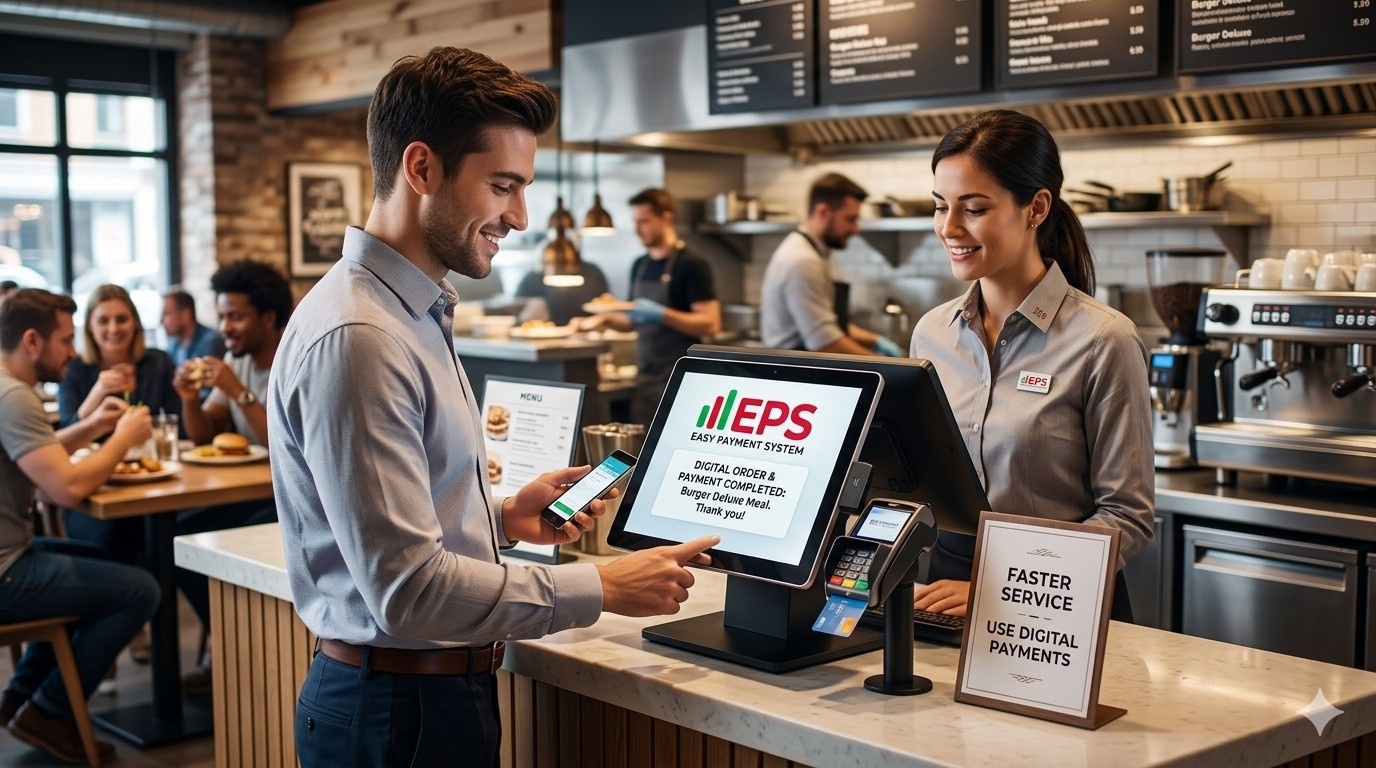
How Digital Payments Increase Restaurant Revenue
Running a restaurant is not just about food quality; it also depends on how smoothly customers can place orders and complete payments. Many restaurants still face delays at checkout, limited payment options, and manual billing issues. Digital payments help remove these barriers and create a faster, more convenient experience for customers.
When payment becomes easy and quick, customers are more likely to complete their orders without hesitation. This directly impacts daily sales and overall revenue.
Faster Checkout Means More Orders
Long queues at the billing counter often lead to frustrated customers. Some may even leave before placing an order. Digital payment systems reduce waiting time by allowing quick transactions through mobile banking, cards, or QR payments.
A faster checkout process allows restaurants to serve more customers within the same time frame, increasing the number of completed orders.
Encouraging Higher Spending
Customers tend to spend more when they are not limited by cash. Digital payments remove that restriction and make it easier to add extra items to an order.
Whether it’s an additional drink or dessert, a smooth payment experience encourages customers to complete larger transactions without thinking twice.
Reducing Order Abandonment
In busy restaurants, delays in billing can result in missed sales. Customers who face issues during payment may cancel their orders or choose not to return.
Digital payment systems reduce these problems by offering multiple payment options and quick processing, ensuring that orders are completed without unnecessary interruptions.
Better Management of Online Orders
Food delivery and online ordering have become a major part of restaurant revenue. Digital payments allow customers to pay instantly while placing orders online.
This reduces dependency on cash-on-delivery and lowers the risk of order cancellations. Restaurants can process orders faster and maintain a smoother workflow.
Accurate Billing and Record Keeping
Manual billing can lead to errors, especially during peak hours. Incorrect bills or missing entries can create confusion and affect revenue tracking.
Digital systems record every transaction automatically, helping restaurant owners maintain accurate financial records. This makes it easier to review daily sales and identify trends.
Improved Customer Experience
A smooth payment process leaves a positive impression on customers. When people can pay quickly without complications, they are more likely to return.
Providing multiple payment options also builds trust and convenience, which plays a role in customer retention.
Reducing Cash Handling Issues
Managing cash involves risks such as theft, counting errors, and delays in deposits. Digital payments reduce the need for physical cash, making transactions safer and easier to manage.
This also helps restaurant owners maintain better control over their finances.
Supporting Business Growth
As restaurants expand, handling payments manually becomes more difficult. Digital payment systems make it easier to manage multiple branches, track sales, and handle large transaction volumes.
For businesses looking to manage high-volume transactions efficiently, a structured solution like secure payment processing solutions for businesses in Bangladesh can support better payment handling and financial tracking.
Final Thoughts
Digital payments play a direct role in increasing restaurant revenue. They help reduce delays, improve customer experience, and ensure that more transactions are completed successfully.
By adopting a reliable payment system, restaurants can handle daily operations more smoothly while creating better opportunities for consistent growth.